You’ve probably heard the terms “food stamps” and “SNAP” thrown around, especially if you’re interested in social issues or current events. They both seem to deal with helping people get food, but are they actually the same thing? The answer, surprisingly, isn’t a simple yes or no. This essay will break down the relationship between food stamps and SNAP, clarifying what they are and how they work.
What Is SNAP?
In short, yes, food stamps and SNAP are the same thing. SNAP stands for the Supplemental Nutrition Assistance Program. It is the official name of the program that provides food assistance to low-income individuals and families in the United States. However, the term “food stamps” is still used, and it’s what many people are familiar with. It’s a legacy term, dating back to when the program used physical coupons, which looked like stamps, to buy food.
The Evolution of “Food Stamps”
Before the 2000s, the way SNAP worked was pretty old-school. People actually got paper coupons, which looked like stamps, to buy groceries. These stamps were distributed by the government, and people could use them like cash at grocery stores. This system, though, had some drawbacks. It was:
- Prone to fraud.
- Costly to produce and distribute.
- Sometimes seen as stigmatizing.
The term “food stamps” stuck around because that’s how the program was known for a long time. These paper coupons were very well known by the public. So the term really got ingrained in people’s minds. The program was originally created during the Great Depression to help with hunger.
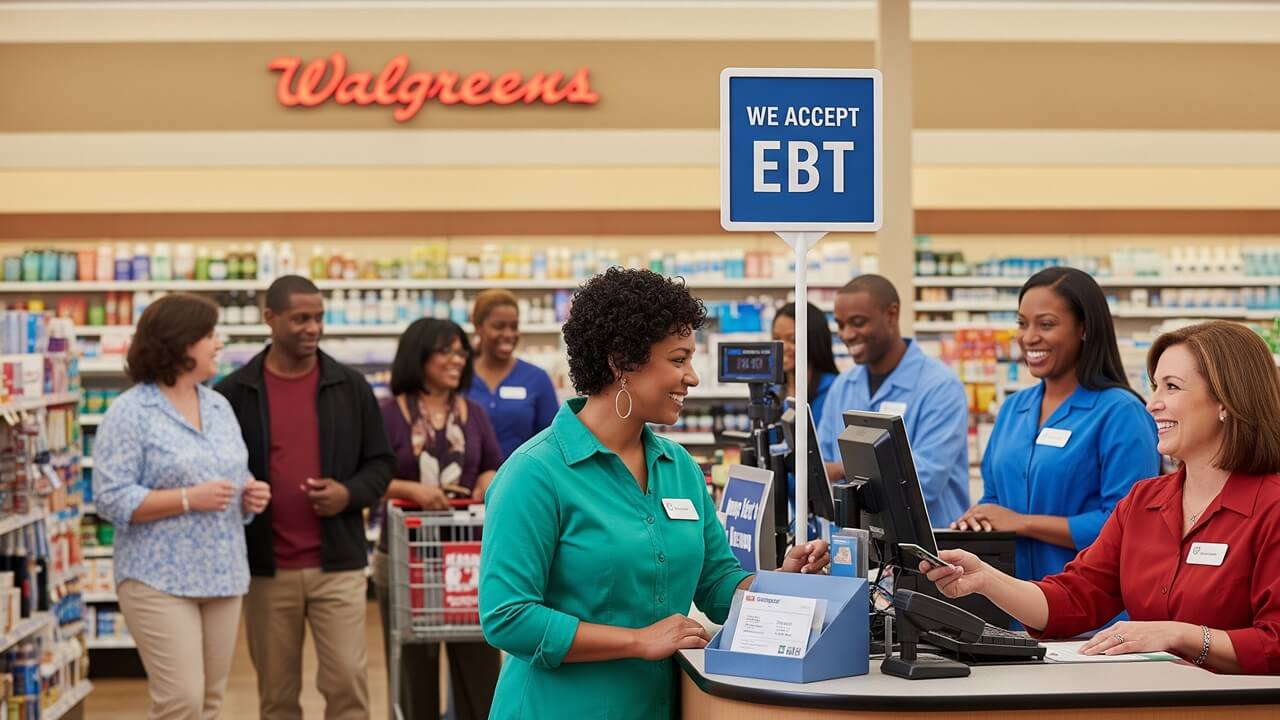
Later, as technology advanced, things changed. The paper coupons were replaced with electronic cards, which are now called EBT, or Electronic Benefit Transfer cards. These EBT cards work just like debit cards and can be used at most grocery stores and some farmers’ markets. While the system has evolved, the old name is still used.
How SNAP Works Today
Today, SNAP participants receive benefits on an EBT card. This card is loaded each month with a specific amount of money, based on the recipient’s income, household size, and other factors. The benefits are designed to help low-income individuals and families afford healthy food. SNAP is a federal program, but it’s administered by each state. Each state has slightly different rules and requirements for applying and using SNAP benefits.
To put this in perspective, the process goes something like this:
- An individual or family applies for SNAP benefits.
- The state agency reviews their application.
- If approved, they receive an EBT card.
- Each month, benefits are loaded onto the card.
- The card is used to purchase eligible food items.
The goal is simple: to ensure that everyone has access to the food they need to survive. To make sure SNAP is working as intended, the government also has many oversight processes in place.
SNAP rules are very specific about what you can and cannot buy with benefits. Things like alcohol, tobacco, pet food, and household supplies aren’t allowed. SNAP benefits focus on providing healthy, nutritional food for families and individuals to help them thrive.
Who Is Eligible for SNAP?
Eligibility for SNAP is determined by a few factors, including income, household size, and assets. There are income limits, and these limits vary depending on the state and the size of the household. Generally, SNAP is available to low-income individuals and families who meet certain requirements. These requirements ensure the program serves those who need it most.
Here’s a simplified example of how income limits might work.
| Household Size | Approximate Monthly Gross Income Limit (Example) |
|---|---|
| 1 Person | $1,700 |
| 2 People | $2,300 |
| 3 People | $2,900 |
It’s important to remember that these are just examples. The exact income limits are different depending on the state. To be sure, it’s essential to check your state’s guidelines. Eligibility rules also consider certain assets, such as bank accounts. Other eligibility requirements may vary by state.
Many people can apply for SNAP. This includes children, the elderly, people with disabilities, and people who are unemployed or working low-wage jobs. Eligibility requirements may also vary during times of national or state-declared emergencies.
SNAP Benefits: What Can You Buy?
As mentioned before, SNAP benefits can be used to buy a lot of different food items. The rules are designed to promote healthy eating and ensure the benefits are used as intended. For the most part, if it’s food you can prepare at home, you can purchase it with SNAP benefits.
Here’s a quick rundown of what you CAN usually buy:
- Fruits and vegetables.
- Meat, poultry, and fish.
- Dairy products.
- Breads and cereals.
- Seeds and plants to grow food.
However, there are restrictions. Things like alcohol, tobacco, pet food, and items that aren’t edible, such as cleaning supplies, are not eligible. Hot foods are also generally excluded (though there might be exceptions in specific programs). SNAP’s goal is to support nutritional choices, promoting food security for those in need.
The variety of eligible foods allows people to make healthy choices. SNAP promotes a balanced diet, encouraging people to include essential food groups. By allowing purchases from many different grocery stores, SNAP recipients also gain more options and variety.
The Role of SNAP in the Economy
SNAP has a significant impact on the economy. When people use their SNAP benefits, they’re essentially putting money into local economies. SNAP helps to support grocery stores, farmers’ markets, and other food retailers. This can help create and sustain jobs in the food industry. It is a significant part of a local economy.
Here are some ways SNAP affects the economy:
- Increased food sales at grocery stores.
- Support for local farmers and producers.
- Stimulation of the local job market.
Plus, SNAP is often a very effective way to stimulate the economy. During economic downturns, SNAP can act as an economic stabilizer, putting money into the hands of those who need it most. This can help boost consumer spending and prevent economic hardship. The overall impact is considerable, helping to meet the nutritional needs of people in addition to stabilizing markets.
SNAP also plays a role in supporting agriculture and food production. The money used to buy food at grocery stores helps keep farms running, in addition to supporting other food production industries.
Criticisms and Concerns About SNAP
Like any government program, SNAP is not without its criticisms. Some people are concerned about fraud and misuse of benefits. These concerns often lead to calls for increased oversight and stricter regulations. It is important to note that fraud is not as common as some people may think.
Some people also raise concerns about the cost of SNAP to taxpayers. The program is funded by federal tax dollars, and the cost can be significant. The program’s critics sometimes argue that the focus should be on job creation and economic growth to address poverty instead of assistance programs. The debate on these issues is ongoing.
However, it is worth remembering that SNAP helps millions of people meet their basic needs. While many people do not agree on all of the problems of the program, many think it helps.
It is important to weigh the costs and benefits, to make decisions about the SNAP program. It is always changing as the needs of the people change. The debate continues, and there are many things to consider.
Conclusion
So, are food stamps and SNAP the same thing? Yes, absolutely. “Food stamps” is just the old-fashioned term for the modern SNAP program. SNAP provides crucial assistance to millions of people, helping them put food on the table. While the way benefits are delivered has changed over the years, the core mission of providing food security for those in need remains the same. Now, when you hear about food stamps or SNAP, you know what it’s all about!