Figuring out how to get food on the table can be tricky, especially when you’re on your own. You might be wondering, “Can I Get Food Stamps Just For My Child?” The answer isn’t always a simple yes or no, and it depends on a bunch of different things. Food Stamps, which are officially called the Supplemental Nutrition Assistance Program (SNAP), can be a big help for families who need it. This essay will break down the basics of getting food assistance for your kid(s).
Eligibility: The Basics
So, the most important question: Yes, it is possible to get SNAP benefits just for your child, but it mostly depends on your income and if your child lives with you. If you are the primary caregiver for your child and your income is below the limit set by your state, then you likely qualify, even if you don’t qualify for SNAP benefits yourself. The program wants to make sure kids have enough to eat. SNAP eligibility is looked at on a case-by-case basis, and many states have different rules.
Income Requirements: How Much is Too Much?
SNAP is all about helping people with lower incomes. There are income limits, and they change depending on the size of your household and where you live. These limits are set by the federal government, but states can adjust them a bit. Generally, the lower your income, the higher your chances of getting SNAP benefits. When they’re figuring out your income, they look at your gross income (before taxes) and your net income (after taxes and some deductions).
Here’s how it usually works:
- First, they look at your gross monthly income.
- Then, they subtract certain things, like child care costs and some medical expenses.
- That gives them your net monthly income.
- Finally, they see if your net income is below the limit.
States use different income guidelines. Here’s a quick idea. Let’s say you’re in a state with these kinds of rules:
- Your gross monthly income must be at or below 130% of the poverty level.
- Your net monthly income must be at or below the poverty level.
- The poverty level is based on the size of your household.
It’s important to know the exact limits for your state, since that is how you’ll know whether or not you qualify for SNAP benefits.
Household Definition: Who Counts?
Figuring out who’s in your “household” is super important because it affects the income limits. Generally, a household is defined as all the people who live together and buy and prepare food together. This usually includes your child and you, if you are the primary guardian. If your child lives with you and you buy and prepare their food, they are part of your household.
But here’s a catch:
- If your child is under 22 and lives with you, they are usually considered part of your household.
- If your child is 22 or older, it’s more complicated. They might be considered part of your household if they still rely on you for support.
Also, in some cases, people who don’t live with you can still be part of your SNAP household, especially if they are in your care. The state agency that oversees the program usually determines who counts. It’s worth checking with your local SNAP office to make sure you know your local rules.
To help you think about it, here’s a quick table:
| Scenario | Household? |
|---|---|
| Child lives with you, you buy food. | Yes |
| Child lives with a grandparent, you pay for food. | Maybe, depends on the rules. |
| Child lives at college, you pay for food. | Maybe, depends on the rules. |
Applying for SNAP: The Process
Applying for SNAP benefits is usually a pretty straightforward process. You will start by visiting your local SNAP office, applying online, or getting the application over the phone. You’ll need to fill out an application with information about yourself, your child, your income, and your expenses. It takes some time, so be patient.
Here’s the basic application process:
- Get the application form. You can often find it online or at your local SNAP office.
- Fill out the form. Be accurate!
- Gather documents. You’ll need things like pay stubs, proof of address, and ID.
- Submit the application. You can mail it in, drop it off, or submit online.
- Attend an interview. You might have to talk to someone about your application.
- Wait for a decision. The SNAP office will let you know if you’re approved.
After applying, you might have to go to an interview. They might need more information to make a decision, so it is important to answer any questions about your child honestly.
Sometimes, you can get help filling out the application. Many local organizations are trained to help people apply for SNAP. You can look for them by searching online. The whole process might seem overwhelming, but it’s worth it to get food for your child.
What if My Child Receives Other Support?
It’s possible that your child might already be getting help, such as from foster care or from some other form of public assistance. The SNAP program is designed to work with other programs to help families. Whether or not other forms of help will affect your eligibility depends on the situation, but it doesn’t always disqualify you.
Here are a few examples:
- If your child is in foster care, they might already be receiving food assistance.
- If your child is receiving other public assistance, it might affect how much SNAP you get, or if you qualify at all.
- If you have multiple children, it might affect eligibility.
The rules vary depending on the program and the state. It’s important to be honest with the SNAP office about any other assistance your child is getting. The SNAP office can tell you how the help might affect your eligibility.
Here’s a simple example of what can happen.
| Scenario | SNAP Benefit |
|---|---|
| Child gets money from Social Security. | Might affect your benefit. |
| Child is in foster care. | Might get food assistance already. |
| You get TANF (Temporary Assistance for Needy Families). | Might affect your benefit. |
How to Use SNAP Benefits
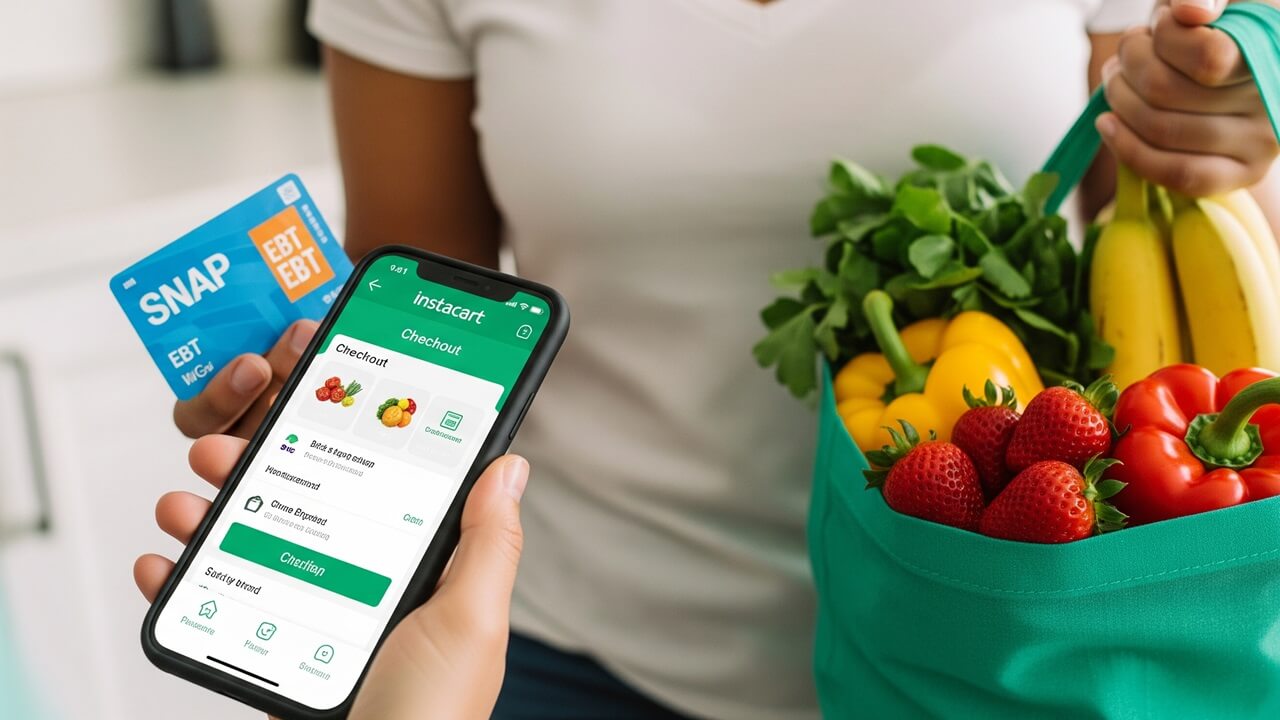
If you’re approved for SNAP, you’ll get an Electronic Benefit Transfer (EBT) card. It works like a debit card, and you can use it to buy groceries at authorized stores. The amount of benefits you get each month depends on your income and household size. You can only use SNAP to buy certain things. You can buy most food items like fruits, vegetables, meats, dairy products, and grains.
Here’s a list of what you *can* buy:
- Fruits and vegetables
- Meat, poultry, and fish
- Dairy products
- Breads and cereals
- Seeds and plants to grow food
What *can’t* you buy with SNAP?
- Alcoholic beverages
- Tobacco products
- Non-food items like pet food, soap, or diapers
- Hot foods that are ready to eat
You can find a list of authorized stores online. Make sure the store accepts EBT cards before you shop. You can also use your EBT card at some farmers’ markets, which is a great way to buy fresh produce. SNAP is a valuable tool that can help provide food for your child.
Conclusion
So, can you get food stamps just for your child? The answer is a bit complicated, but mostly, yes. It depends on things like your income, household, and state’s rules. If you’re a parent or caregiver, and your income is low, you’re more likely to qualify. SNAP benefits can make a real difference in making sure your child has enough to eat. Remember to check your state’s specific rules, gather your documents, and be honest in your application. If you need help, don’t be afraid to ask for it. Getting food stamps for your child can definitely be a possibility.