Ever wondered if you can take something back to the store if you bought it with your EBT card? Maybe you grabbed the wrong size cereal, or that watermelon just isn’t as ripe as you thought. It’s a common question, and the answer isn’t always straightforward. Let’s dive in and figure out the rules about returning food purchased with EBT, so you’re prepared next time you shop!
What Happens if You Need to Return Food?
So, what happens when you realize you need to return something you bought with your EBT card? Well, it mostly depends on the store’s policy. Generally, you can return food purchased with EBT, and the process is similar to returning items purchased with cash or a debit card. However, there can be some differences in how the refund is handled.
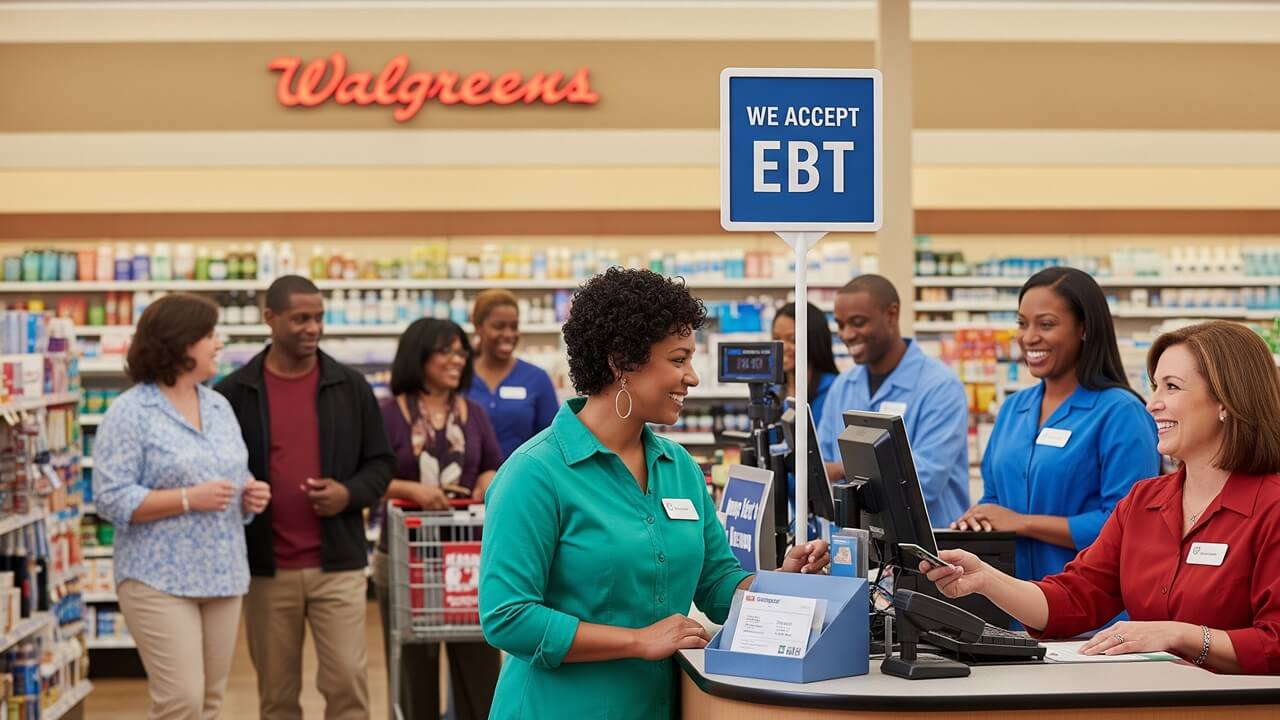
Most stores, like supermarkets and large retailers, have their own specific return policies, which you should always check. These policies usually outline the time frame for returns and the condition the food needs to be in. For example, if you bought a package of meat, and then opened it to find out that it was spoiled, you would have an easier time returning it, versus, say, if you ate some and realized you didn’t like the flavor.
It’s always a good idea to keep your receipt, as it is a key piece of evidence that you actually purchased the item. Without a receipt, the store might not accept the return or may offer store credit instead of a cash or EBT refund. This helps them verify the purchase and process the return correctly.
Finally, the store’s return policy is also important if the item is damaged. For instance, if you drop a can of soup and it gets dented, the store should still let you return it, provided you can prove that it was purchased there.
Where Does the Refund Go?
When you return an item, the refund doesn’t always go back to your EBT card automatically. The way the store processes the refund depends on their specific procedures. Some stores have systems that allow them to put the refund back onto your EBT card right away. Others might issue a store credit, while some may offer cash back, depending on their policy and the state’s regulations.
If you’re getting cash back, you may want to consider if you need it. Many people prefer to keep the funds on their EBT card for future purchases. This gives you the flexibility of spending the money on food when you need it most. Also, cash is less trackable, so returning it to the EBT card can be more convenient.
Here’s a simple breakdown of the refund options you might encounter:
- EBT Card Refund: The money goes back onto your EBT card, ready for future purchases.
- Store Credit: You get a credit to use at that specific store.
- Cash Refund: You receive cash, if the store’s policy allows.
Before you return anything, it’s a good idea to ask the store about their refund process, so you know what to expect.
What About Perishable Items?
Perishable items, like produce, meat, and dairy, can be a little trickier to return. Stores usually have stricter policies for these items because they can spoil quickly. This is important because you don’t want to get an item that is inedible.
The condition of the item is a huge factor. If the food is still in good condition and within its expiration date, you have a higher chance of a successful return. If something is obviously spoiled or past its prime, returning it can be more complex. The store might need proof of purchase and may not offer a full refund. You’re likely going to have an easier time if the food is unopened.
Here’s a quick guide to common perishable items:
- Fruits and Vegetables: Generally, if they are fresh and not damaged, returning them is easier.
- Meat and Poultry: Must be sealed, not expired.
- Dairy: Same as meat, must be sealed.
If a perishable item is defective, the return becomes simpler. For example, if you buy milk and it’s curdled before the expiration date, the store will usually replace or refund it.
Returning Non-Food Items Purchased with EBT
Sometimes, you might use your EBT card to buy things that aren’t food, such as things that qualify under the SNAP program. These items include things like seeds for growing food, or other specific items. The return process for these items also follows the store’s policy. It’s really important to understand what items your EBT card can purchase, so you aren’t caught by surprise.
The rules are similar to food returns – keep your receipt and check the store’s return policy. The store is likely to follow its standard return procedure if the item is unopened, unused, and in its original packaging.
Here are a few examples of things you might be able to purchase with your EBT and potentially return:
- Seeds and plants for growing food.
- Some over-the-counter medications (check the store’s specific list).
Keep in mind, policies vary. The main thing is to know what the store’s rules are and to keep the receipt.
EBT and Store Policies
Every store has its own rules, which can differ greatly. Some stores are super lenient, while others have stricter policies. It is really important to be aware of the store’s policies before you make a purchase or try to return something.
Larger chains often have detailed return policies available online or at the customer service desk. Smaller stores might have more informal policies, so it is always a good idea to ask about their return process. Also, you should look around the store for posted signs about returns.
Here’s a comparison of how different stores might handle returns:
| Store Type | Return Policy Example |
|---|---|
| Large Supermarket | 30-day return with receipt, EBT refunds directly to card. |
| Local Grocery | Returns allowed with manager’s approval, refunds as store credit. |
| Large Retailer | 90-day return with receipt, refund as EBT card or store credit. |
Always read the store’s policy to be sure you can make a return.
State-Specific Regulations
Each state has its own rules when it comes to EBT, and that includes how returns are handled. While the basic principles are the same, the details can vary based on where you live. Some states are very specific on how refunds can be issued. For example, some states might require the refund to go back onto the EBT card, while others allow for a store credit or even cash.
These regulations are there to help everyone, making sure the EBT program is used correctly. Staying updated on these changes is important. This can mean things like knowing about the types of food you can purchase and how returns are handled.
How do you find out about your state’s rules? Here are a few ways:
- Check your State’s EBT Website: Your state’s Department of Human Services or similar agency usually has the details.
- Contact Customer Service: Call the customer service number on your EBT card.
- Ask at the Store: Some stores can provide information on state-specific policies.
Familiarize yourself with your state’s policies so that you are aware of your rights.
Preventing Return Problems
Avoiding return issues in the first place can save you time and energy. Double-check what you’re buying before you pay, and be sure it is the size, flavor, or type that you want. Take a quick look to see if the items are damaged or spoiled before you put them in your cart.
Always keep your receipts, as they are the best evidence you need if you have to return something. Receipts have important information like the date of purchase, the items bought, and the store’s location. Without a receipt, a return is much harder.
Here’s how to prevent return issues:
- Read Labels Carefully: Check the expiration dates.
- Check for Damage: Look for any dents or tears in packaging.
- Keep Receipts: Always keep your receipts.
By taking a few extra precautions when shopping, you can usually reduce the chances of needing to return anything.
Conclusion
So, to sum it all up: Can you return food purchased with EBT? Yes, you generally can, but the exact process depends on the store’s rules and your state’s regulations. Remember to always keep your receipt, know the store’s policies, and check items before you buy them. Being informed is the best way to navigate returns smoothly and make the most of your EBT benefits. Happy shopping!