Figuring out taxes can sometimes feel like a puzzle, and it’s normal to have questions about how different programs impact them. One common question is, “Do Food Stamps affect your taxes?” This essay will break down the relationship between the Supplemental Nutrition Assistance Program (SNAP), often called Food Stamps, and your taxes, making it easier to understand how they interact. We’ll explore various aspects, from what SNAP actually is to how it could indirectly play a role in your tax situation.
Direct Tax Implications: The Simple Answer
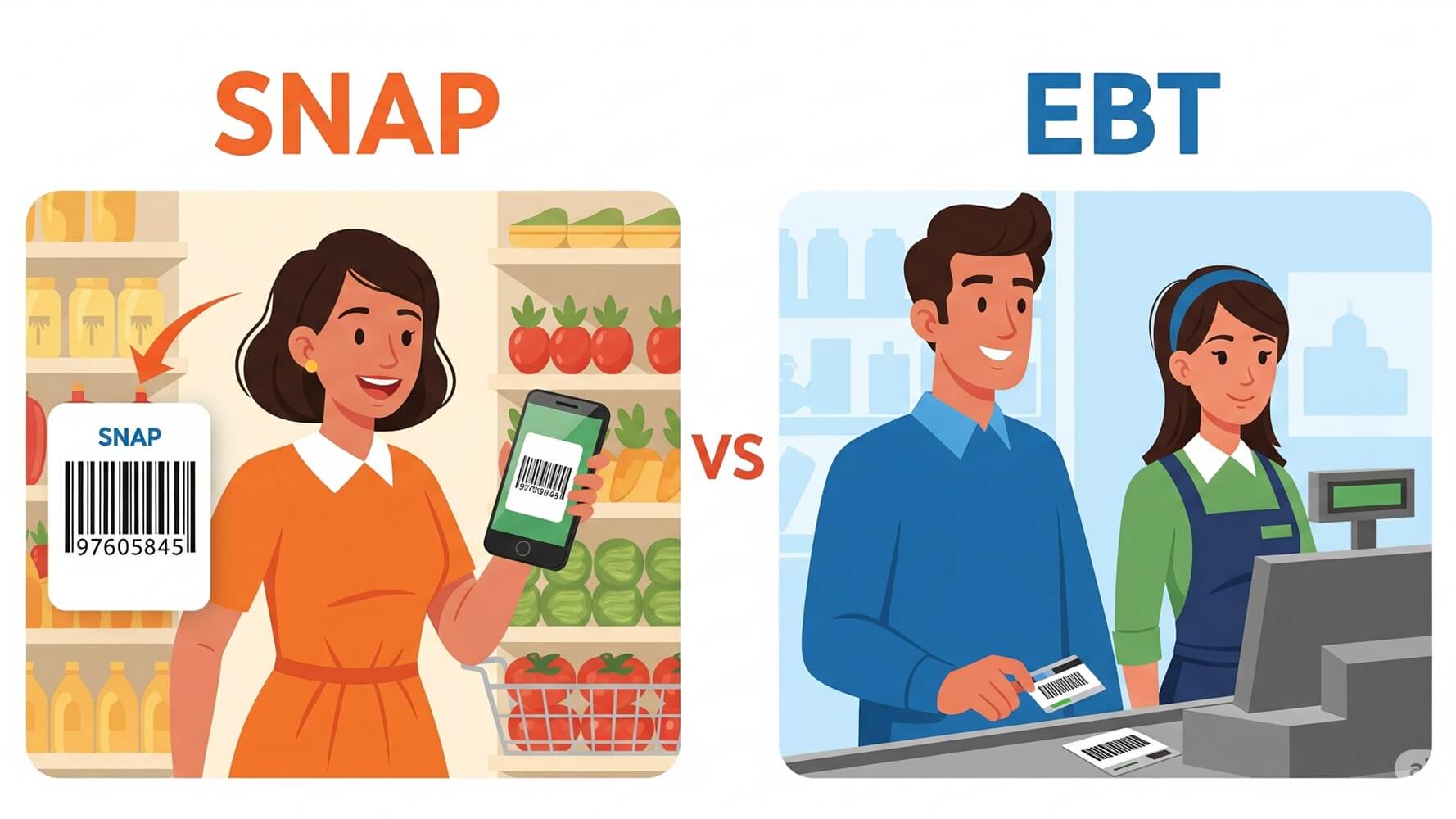
Let’s get straight to the point: Food Stamps, or SNAP benefits, are generally not considered taxable income by the IRS. This means the money you receive through SNAP doesn’t have to be reported on your tax return. The IRS doesn’t count SNAP benefits as part of your gross income.
Indirect Effects: The Role of Income and Deductions
While the benefits themselves aren’t taxed, receiving SNAP can indirectly influence your taxes. The key is understanding that your overall income and expenses play a role in how your tax situation is calculated. SNAP helps reduce the money you spend on food, which can free up funds for other necessities. But the benefits received don’t change tax obligations.
Here’s how this can affect you:
- Your income, before and after SNAP, determines your eligibility for other tax credits and deductions.
- If you are eligible for these credits, then this can impact your taxes.
- SNAP benefits themselves are not included as taxable income.
Tax Credits and Deductions: A Quick Overview
Tax credits and deductions can lower the amount of taxes you owe or even increase your refund. While receiving SNAP doesn’t directly affect these, your overall financial situation can, and in turn, these credits or deductions may affect how your income and deductions are handled. The size of your income, assets, and eligibility for other programs affects tax credits and deductions.
Here’s a quick look at some common ones:
- Earned Income Tax Credit (EITC): This credit helps low-to-moderate income workers.
- Child Tax Credit (CTC): This credit provides financial relief to families with qualifying children.
- Education Credits: These credits help with the costs of higher education.
SNAP can help you in these instances, depending on your overall circumstances.
Reporting Requirements: What You Need to Know
Since SNAP benefits aren’t taxable, you don’t need to report them on your tax return. The IRS is aware of SNAP. However, be sure you are honest and report all taxable income that you have earned, and claim any tax credits or deductions you are eligible for.
It’s important to keep good records for all of your income and expenses, so you can be sure to complete your tax forms accurately. Remember, your main tax form may only ask you to declare income that is taxable by the IRS, and other non-taxable income is often omitted from tax forms. This helps to keep the tax filing process streamlined.
Impact on Eligibility for Other Programs: A Double-Edged Sword
Having SNAP benefits might change whether you qualify for certain other programs or deductions. However, the fact that you’re receiving SNAP doesn’t automatically disqualify you from other government benefits. SNAP provides you with funds to pay for food so you can then use your other funds for different necessities. SNAP benefits can indirectly affect you based on your income and eligibility requirements for other programs.
Consider these potential impacts:
| Program | Potential Impact |
|---|---|
| Housing Assistance | SNAP benefits might affect your total income, which influences rent calculations. |
| Healthcare Subsidies | SNAP might be considered when determining your eligibility for financial assistance with health insurance. |
Changes in Income: Reporting to the IRS and SNAP
If your income changes during the year, you’ll need to report it to both the IRS and the agency that manages SNAP. If your overall income increases, it can impact your taxes, but because SNAP isn’t taxed, the taxes will not directly impact your SNAP benefits. Keep the government programs informed and up-to-date with your income and expenses. Reporting this information is important for accurate financial assessments.
Here’s what you can do:
- Keep documentation for your income and expenses.
- If your income changes, inform the IRS and the SNAP program.
- Provide any documentation the government requests.
Seeking Professional Help: When to Ask for Guidance
Tax laws can be complicated, and everyone’s situation is unique. If you’re unsure how SNAP affects your taxes or have other tax questions, it’s always wise to seek professional help. A tax professional can provide personalized advice based on your specific circumstances.
Here’s when to seek professional help:
- If you have multiple sources of income.
- If you’re self-employed.
- If you’re eligible for complex tax credits.
- If you need help with tax forms.
Conclusion
In summary, while Food Stamps (SNAP benefits) don’t directly affect your taxes, they can indirectly influence your tax situation by impacting your overall financial picture. Remember that SNAP benefits are not taxable, so you don’t have to report them on your tax return. However, the amount of income you have, with and without SNAP, might impact whether you’re eligible for certain tax credits and deductions. Keeping good records and understanding these relationships will help you navigate your taxes with greater confidence. If you are ever unsure about your tax obligations, seek the help of a tax professional.