Many people wonder about getting extra help when they are expecting a baby. One of the most common questions is whether you can get more food stamps (also called SNAP, or Supplemental Nutrition Assistance Program) if you’re pregnant. This program helps people with low incomes buy food. Let’s explore the details of how pregnancy might affect your food stamp benefits.
Eligibility for SNAP with Pregnancy
Yes, being pregnant can potentially increase the amount of food stamps you receive. This is because the SNAP program recognizes that pregnant women have higher nutritional needs. Since they are eating for two (or more!), they need more food to stay healthy and support the development of their baby.
How Pregnancy Changes SNAP Benefits
When you become pregnant, you usually need to tell your SNAP caseworker. They’ll then reassess your situation. This reassessment takes into account the fact that you’re now responsible for another person, your baby. This affects your household size, which directly impacts your SNAP benefits. Essentially, adding a person to your household means you’ll likely be eligible for more food stamps.
The amount of the increase varies. It depends on several factors, including your current income, household size before the pregnancy, and the state you live in. But the goal is always to provide enough food assistance to support the health of both the mother and the developing child. It’s important to note that even if your income has not changed, the increased household size due to the pregnancy can mean an increase in benefits.
Here’s what generally happens: the caseworker will likely ask for proof of pregnancy. This might be a doctor’s note or other medical documentation. They’ll then recalculate your benefits based on the new information. The specific rules and procedures can vary by state, so check your local SNAP office to learn how it works where you live. The process is generally straightforward.
You might also be able to get other benefits during your pregnancy. It’s worth checking out other programs that work together to make sure that you can get enough support. It’s important to be proactive and ask questions to make sure you get everything you are entitled to.
Reporting Your Pregnancy to SNAP
You need to tell your SNAP caseworker that you are pregnant as soon as possible. The sooner you let them know, the sooner they can start the process of adjusting your benefits. This is a crucial step because it allows them to accurately calculate how much food assistance you need.
How to report your pregnancy: You will most likely need to contact your local SNAP office. They can be found by searching online for “[your state] SNAP office.” They’ll provide you with the proper steps and procedures, which may include a phone call, an online application update, or an in-person appointment.
When you reach out to your caseworker, have the following things ready:
- Your SNAP case number.
- Proof of your pregnancy (like a doctor’s note or medical records).
- Any changes to your income or household circumstances.
Remember to keep your contact information updated. This is important because the caseworker will need to stay in contact with you.
Factors Affecting Benefit Amounts
Several things besides pregnancy can change how much SNAP you get. These factors are used to determine eligibility and benefit amounts. The income of your entire household is considered, and the amount you receive will likely depend on your total earnings.
Another important factor is the size of your household. Pregnancy increases this, leading to a likely benefit increase. Keep in mind that the resources a household has, like savings or other assets, can also play a part in the calculation. SNAP isn’t just about income.
The state you live in is relevant, because different states have different standards and costs of living. Benefits are designed to provide a certain amount of food for each household member each month. If your household expenses for necessities like housing and utilities are high, this may also be considered.
Here is a simplified example, but the exact numbers will change depending on where you live:
- A single person might get $250 per month.
- A couple with no children might get $450 per month.
- A couple with one child might get $600 per month.
Other Assistance Programs for Pregnant Women
Pregnancy support isn’t just limited to SNAP. There are several other programs available. These programs can help to make sure you are getting the best start possible for both you and your baby. These programs offer various types of support.
One of the most important is WIC (Women, Infants, and Children). WIC provides food, health care referrals, and nutrition education. They target low-income pregnant women, new mothers, and young children. It specifically focuses on providing nutritious foods that meet the needs of pregnant women and babies.
Another program is Medicaid, which provides healthcare coverage. Medicaid can help cover doctor’s visits, prenatal care, and delivery expenses. Many states offer expanded Medicaid coverage for pregnant women. This makes sure that you get the medical care you need during your pregnancy and the first year after birth.
You may also be eligible for additional local programs.
| Program | Focus |
|---|---|
| WIC | Nutritious foods, healthcare referrals, and education |
| Medicaid | Healthcare coverage |
How to Apply for Food Stamps While Pregnant
Applying for SNAP when you’re pregnant is straightforward. Start by visiting your local SNAP office, or go online to your state’s SNAP website to begin your application. Make sure you have all of the required documents ready, like proof of income, identification, and proof of pregnancy.
The application process typically involves filling out an application form, which is available online or in person. You’ll provide details about your income, resources, and household. You may need to attend an interview with a caseworker, either in person or over the phone. This is a chance to answer any questions they have and provide additional information.
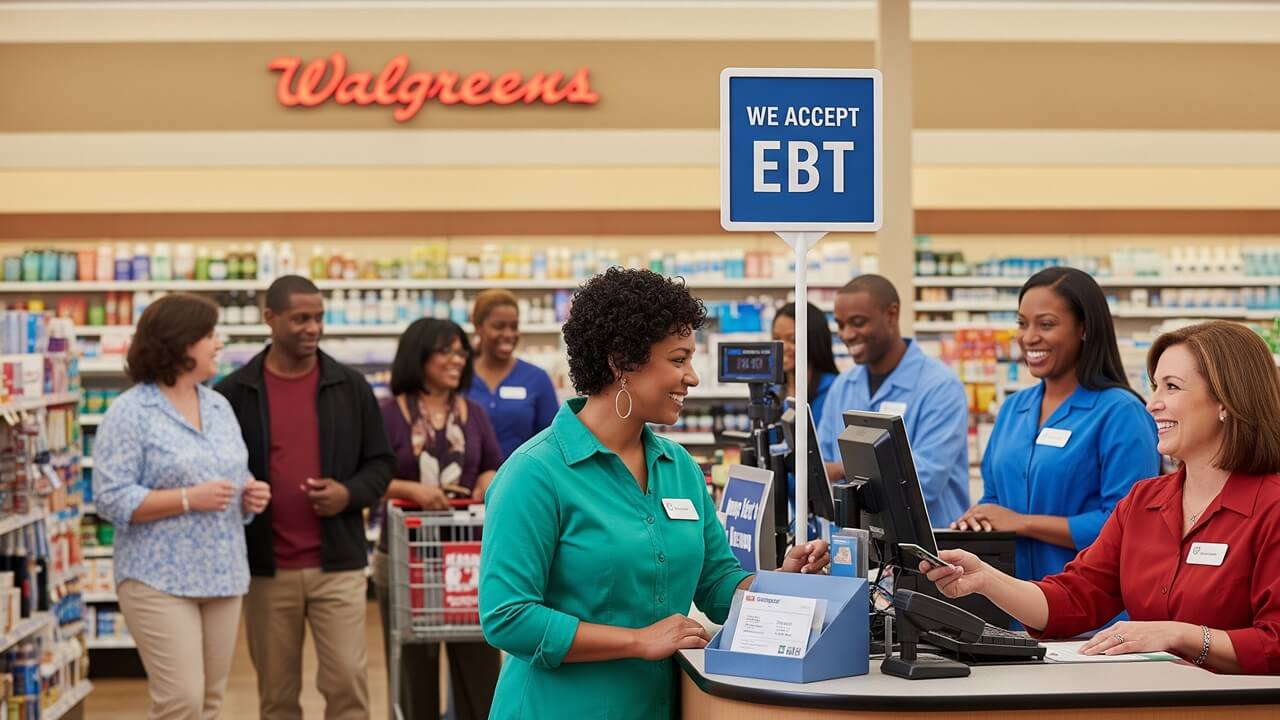
Once your application is submitted, the SNAP office will review your information and determine your eligibility. They will let you know if you are approved and, if so, how much in benefits you will receive. You’ll get a special card, such as an Electronic Benefit Transfer (EBT) card, to purchase groceries.
If your application is denied, you will receive an explanation. You can also appeal the decision if you disagree with it. The government wants to make sure that all eligible people are able to get assistance. They’re here to help you get the resources you need.
What You Can Buy With Food Stamps
Food stamps help you buy a wide variety of food items. SNAP benefits are intended to cover most of your grocery expenses. You can buy groceries at many locations, including supermarkets, grocery stores, and farmers’ markets.
You can use your EBT card to buy:
- Fruits and vegetables
- Meat, poultry, and fish
- Dairy products
- Breads and cereals
- Seeds and plants to grow food
However, you cannot use SNAP to buy things like alcohol, tobacco, pet food, or paper products. Hot foods are not allowed either. This is because the program is designed to help people buy essential food items for their families. Check for special programs at the grocery store that might provide more help.
You can also use your EBT card at participating farmers markets. Many markets have programs. This will let you get fresh, local produce, too. Check with your local farmers’ market for details.
Conclusion
In conclusion, yes, you likely get more food stamps when you are pregnant because of increased nutritional needs and the larger household size. Pregnancy is a special time when you need extra support. Remember to inform your SNAP caseworker about your pregnancy as soon as possible. By knowing your options and seeking out available resources, you can ensure a healthier and more secure future for yourself and your baby. Being prepared, informed, and proactive will help you get the help you are entitled to during this important time in your life.