The Supplemental Nutrition Assistance Program (SNAP), often called food stamps, is a government program designed to help people with low incomes buy food. It’s a pretty common program, but does it actually work in different places? This essay will explore how SNAP operates across the United States, looking at its effectiveness and the challenges it faces in different states. We’ll dive into how the program works, the variety of ways it’s implemented, and how well it actually helps people get the food they need. It’s a bit like a nationwide recipe, but with some different ingredients and chefs in each kitchen!
How Does SNAP Actually Work, State by State?
So, how does SNAP function differently from state to state? The core concept is the same: the federal government provides the money, and states distribute the benefits. However, each state has its own Department of Social Services or a similar agency that runs the program. This means there’s room for variation in the details. For example, the application process can be different. Some states have really simple online applications, while others might still require a lot of paperwork or in-person visits. The specific requirements for eligibility can also vary slightly based on state laws, such as asset limits (like how much savings you can have) and work requirements.
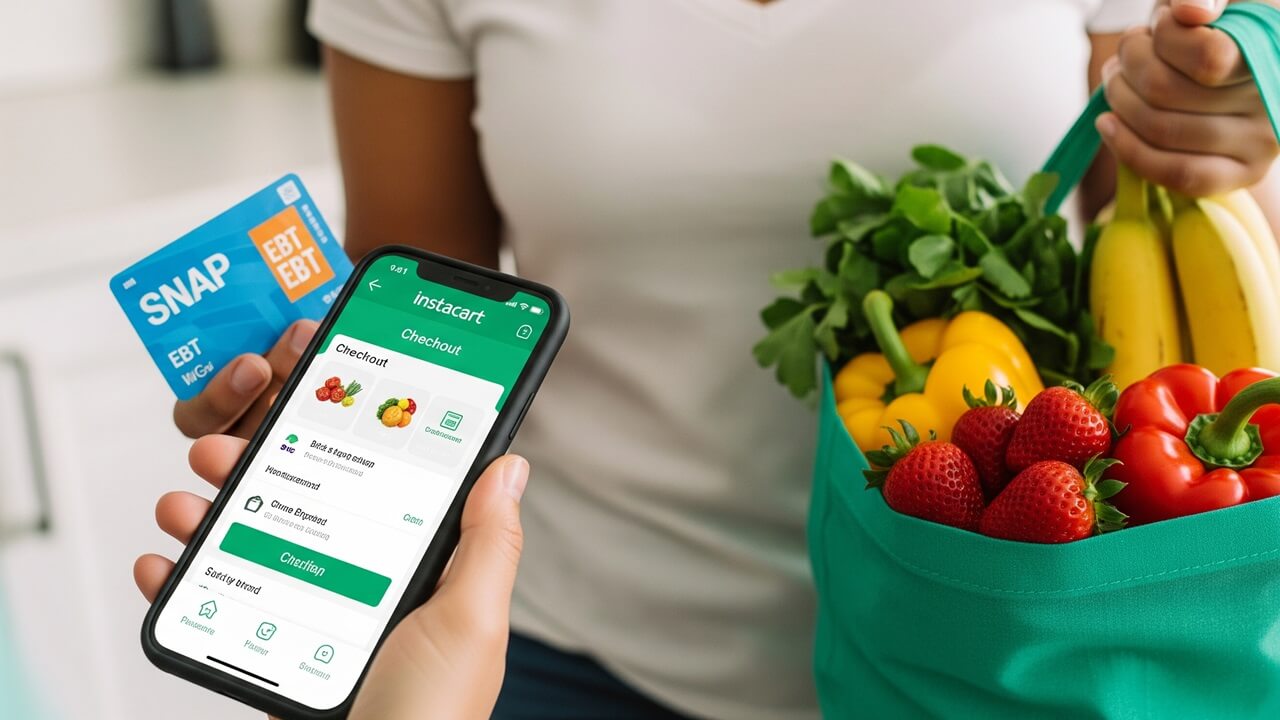
The federal government sets some guidelines, but states have some wiggle room. This means the types of food you can buy with SNAP might be consistent (like groceries!), but how easy it is to apply and how quickly you receive benefits can differ. Some states might have more resources available for outreach and helping people understand the program. These different approaches can lead to varying levels of success in reaching people who need help and ensuring the program’s smooth operation.
This variation in implementation helps states tailor the program to their specific needs. For example, a state with a large rural population might need to focus on making sure SNAP is accessible in areas without a lot of grocery stores. A state with a high cost of living might adjust the amount of benefits people receive to reflect the higher prices of food. This is a constant balancing act, as states try to meet the needs of their residents within the federal guidelines and their available budget.
The core purpose – helping people afford food – is the same everywhere, but the way SNAP does it can look quite different depending on where you live.
Eligibility Requirements: A State-by-State Look
Figuring out who qualifies for SNAP is a crucial part of the program. The federal government lays down some rules, like income limits and how much you can have in your bank account (assets). However, states have some say in the specifics. This means that eligibility requirements can slightly differ from state to state. Some states might use a higher income threshold, which means more people could be eligible for SNAP. Others might be stricter, limiting who can receive benefits.
The process for applying for SNAP benefits varies from state to state. Generally, you need to provide documentation, such as proof of income, identification, and information about your living situation. The state agency will then review your application. This process can range in speed and complexity. Some states have user-friendly websites and quick turnaround times, while others might involve more paperwork and waiting.
Here’s an example of how income limits might vary. Let’s say a family of three applies for SNAP. The federal guideline sets the income limit at a certain amount, but a state might:
- Set a lower income limit.
- Follow the federal guideline exactly.
- Set a higher income limit, allowing more families to qualify.
This means the income limit is set by the state, but the federal government provides a structure. These differences can have a significant impact on how many people in each state can access SNAP.
The Impact of SNAP on Local Economies
SNAP doesn’t just help individuals and families; it also affects the local economy. When people use their SNAP benefits to buy food at grocery stores, farmers’ markets, and other food retailers, it boosts those businesses. This increased demand for food can help to support local jobs in the food industry. It’s like a ripple effect – the money flows from the government to SNAP recipients, then to local businesses, and finally, helps support jobs and the economy.
The amount of money spent through SNAP in a particular state can be pretty significant. The spending from SNAP helps to stabilize the demand for food, which can be a lifeline for many businesses, especially during economic downturns. When people have access to food assistance, they’re more likely to spend money on other goods and services, which further stimulates the economy. However, it’s not just about the money; it is also about the stability of the local food system.
SNAP benefits can also support farmers’ markets and local agriculture. Many states encourage SNAP recipients to use their benefits at farmers’ markets, providing a direct link between low-income families and local farmers. These markets often offer fresh, healthy produce, which can be important for improving the diets of SNAP participants.
- This directly benefits local farmers.
- It promotes healthy eating habits.
- It strengthens the local food network.
This strengthens the community and supports small businesses!
Combating Food Insecurity: SNAP’s Role
Food insecurity means not having reliable access to a sufficient quantity of affordable, nutritious food. It’s a serious problem affecting millions of people across the United States. SNAP plays a crucial role in fighting food insecurity by providing families and individuals with the resources they need to buy groceries. The goal is to ensure everyone can eat healthy food regularly and reduce the stress of wondering where their next meal will come from. This helps to ensure that people aren’t going hungry.
SNAP can reduce rates of food insecurity, especially among vulnerable populations like children, seniors, and people with disabilities. Studies show that access to SNAP is directly linked to improved nutritional outcomes and reduced rates of hunger. By providing regular access to healthy food, SNAP helps people focus on other aspects of their lives, such as work, education, and healthcare. When people don’t have to worry about where their next meal will come from, they can focus on improving their lives.
SNAP is not a perfect solution. Challenges remain, such as ensuring the program reaches all eligible people and addressing issues like access to healthy food options in certain communities. However, SNAP serves as a safety net, preventing people from falling into severe food hardship. There are many programs available to help support those suffering from food insecurity, but SNAP is a primary provider for assistance.
| Benefit | Impact |
|---|---|
| Provides resources for food purchases. | Reduces hunger and improves nutritional outcomes. |
| Targets vulnerable populations. | Helps families focus on other priorities. |
SNAP is an important tool in the fight against food insecurity.
Addressing Challenges and Criticisms of SNAP
While SNAP helps a lot of people, it also faces some challenges and gets its fair share of criticism. One common concern is the potential for fraud and misuse of benefits. States are constantly working to prevent and detect fraud through various methods, such as verifying eligibility and monitoring how benefits are used. There’s always a need to balance helping people in need with ensuring the program is run responsibly.
Another challenge is ensuring that SNAP recipients have access to healthy food options. In some areas, particularly low-income neighborhoods, there may be a lack of grocery stores and an abundance of convenience stores or fast-food restaurants. This limits the choices available to SNAP recipients and can make it harder to eat a nutritious diet. Promoting healthy eating habits and encouraging SNAP recipients to use their benefits at farmers’ markets or grocery stores is important.
Some critics argue that SNAP can create a dependency on government assistance or that it discourages work. However, the vast majority of SNAP recipients are working families, seniors, or people with disabilities. There are also work requirements in place for some recipients. Some argue that it is a short-term solution while others believe it is not a long-term solution.
- Some are concerned about fraud.
- Others worry about healthy food access.
- Some believe it creates dependency.
SNAP is always changing and evolving to meet the needs of those it serves.
State Implementation: Best Practices and Innovations
States are always looking for ways to make SNAP work better. This often involves looking at best practices and trying out new ideas. One of the most important aspects is improving how easily people can access and use SNAP benefits. This can include online applications, mobile apps for checking balances, and electronic benefit transfer (EBT) cards that work at a wide variety of stores. Streamlining these processes helps to reduce paperwork, speed up approvals, and make the program more convenient for people in need.
Another innovation is trying to make the program more accessible for diverse populations. This means providing information and assistance in multiple languages, as well as outreach programs targeting specific groups, like the elderly or people with disabilities. Some states are also exploring ways to connect SNAP recipients with other services, such as job training, healthcare, and housing assistance. This holistic approach is meant to address the underlying causes of poverty and food insecurity.
States are also working to promote healthy eating and help SNAP recipients make smart food choices. This could include:
- Providing nutrition education classes.
- Working with farmers’ markets to accept SNAP benefits.
- Partnering with grocery stores to offer discounts on healthy foods.
Some are even experimenting with incentive programs. They encourage SNAP recipients to buy more fruits, vegetables, and other healthy food items. These efforts not only help people eat better but also support local farmers and businesses.
By sharing ideas and learning from each other, states are constantly trying to improve SNAP and make it as effective as possible.
Conclusion
So, does SNAP work in other states? The answer is a bit complicated. Yes, the basic idea of SNAP – providing food assistance – works everywhere, but how it works can look quite different from state to state. SNAP’s success depends on many factors, including state resources, the local economy, and the demographics of the population it serves. While challenges remain, SNAP plays a vital role in helping people afford food and combat food insecurity across the United States. As states continue to innovate and improve their programs, SNAP will likely continue to be an important part of the social safety net, helping families and individuals get the nourishment they need to thrive.