Food Stamps, officially known as the Supplemental Nutrition Assistance Program (SNAP), helps people with low incomes buy food. You might also hear it called EBT, which stands for Electronic Benefit Transfer. This essay is going to explore how Food Stamps/EBT works, looking at how the program changes depending on where you live, comparing Food Stamps EBT by state.
What Determines Eligibility for Food Stamps?
Figuring out if you can get Food Stamps depends on a few things, and these things can be different from state to state. The main factor is your income. Basically, if you don’t make much money, you might qualify. Other things that matter are how many people are in your household and your assets (like how much money you have in the bank). Also, most states will ask if you’re a citizen, a legal alien, or have a green card to be able to get Food Stamps.
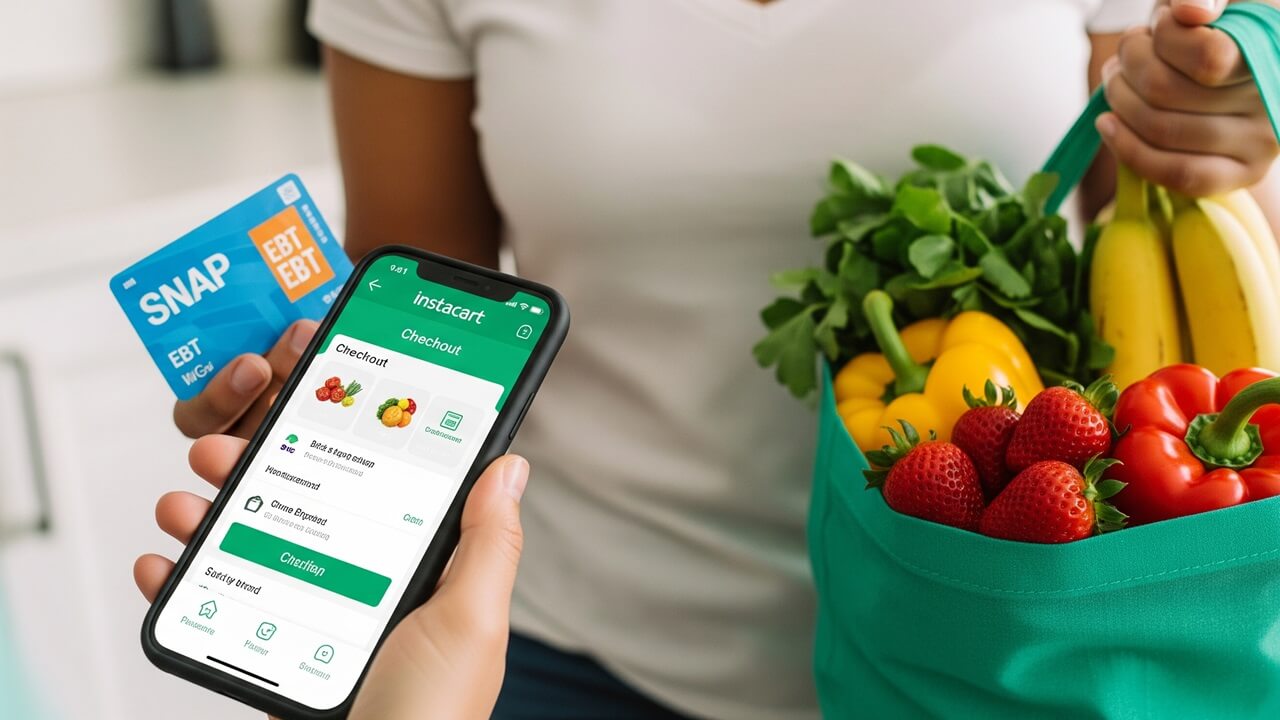
Each state has its own rules about income limits. For example, State A might say you can’t make more than $2,000 a month to qualify for a family of four, while State B might have a limit of $2,500 a month. The specific income limits and asset limits vary from state to state, meaning the same person could be eligible in one state but not in another. The amount of food stamps you get also changes by state, also depending on your household’s needs.
These rules are set by the federal government but implemented by each state. This means the basic structure of SNAP is the same everywhere, but the details can be tweaked to fit each state’s situation. They will look at how much you spend on housing, medical bills, and child care to determine how much money you get each month in the form of food stamps.
To apply, you usually have to go through your state’s social services agency or apply online. You’ll need to provide information about your income, expenses, and household members. Once approved, you’ll get an EBT card, which works like a debit card, to purchase groceries at approved stores.
Benefit Amounts: How Much Money Do You Get?
The amount of money you receive in Food Stamps each month depends on several things. Usually, the more people in your household, the more benefits you’ll get. But like eligibility, the specific amount can change based on the rules of each state. The federal government sets the maximum amounts, but states have some flexibility in how they determine the actual benefits.
Let’s look at some examples. These numbers are just for illustration, and the actual amounts will be different depending on when you read this. Consider these potential maximum benefit amounts per month for a family of three:
- State X: $740
- State Y: $780
- State Z: $760
Also, the government considers your income when giving out money. The less money you make, the more money you’re likely to get through Food Stamps. The amount of money you have in the bank is also something the government looks at. If you have savings, the money you get for Food Stamps will likely be reduced.
The government will also consider some of your expenses when determining your benefit amount. If you’re paying a lot for housing, medical bills, or childcare, the government might give you more money each month. This is because these things leave you with less money to spend on food. All of these factors lead to the amount of Food Stamps changing from state to state.
EBT Card Use: Where Can You Spend Food Stamps?
You can use your EBT card at most grocery stores, supermarkets, and some farmers’ markets. The government sets up some rules about what you can buy with your food stamps. EBT is designed for food, so you can’t buy alcohol, tobacco, or other non-food items. You can buy things like fruits, vegetables, meat, dairy, and other groceries. In some states, you can even use your EBT card to buy seeds and plants to grow your own food.
The stores that take EBT cards are usually clearly marked with signs. The EBT card works like a debit card. When you go to pay for your groceries, you swipe your card, enter your PIN, and the amount of your purchase is deducted from your Food Stamps balance. The state gives the money to the grocery stores.
The rules about what you can buy are pretty standard across all states. However, there are slight differences. For example, some states might allow you to buy prepared meals at certain restaurants, while others might not. Here’s a simple comparison:
- All states: Can buy food (fruits, vegetables, meat, dairy, etc.)
- All states: Cannot buy alcohol, tobacco, or household items
- Some states: Can buy prepared meals at specific restaurants.
- Some states: Can buy seeds and plants to grow food.
It’s important to know that you can’t usually get cash back from your EBT card when you’re making a purchase. However, in some states, there may be programs that allow you to withdraw cash from your account, but these are less common. Remember to check the specific rules in your state.
State-Specific Programs: Beyond Basic Food Stamps
Besides the standard Food Stamps program, some states have extra programs to help people with food needs. These state-specific programs give even more food assistance or provide extra services. These programs can be anything from extra benefits during natural disasters to programs that help people buy healthy food or learn how to cook.
Here’s a look at a few examples of state-specific programs:
- Double Up Food Bucks: Some states offer programs that give you extra money to buy fruits and vegetables at farmers’ markets. This can help you eat healthier.
- Disaster Food Assistance: After a natural disaster, like a hurricane, states might provide emergency food assistance to those who need it.
- Senior Farmers’ Market Nutrition Program: Some states have programs to help low-income seniors buy fresh fruits and vegetables at farmers’ markets.
These extra programs are often funded by the state government or partnerships with local organizations. The benefits and requirements of each program can be very different. Some states will also give you a list of places you can get food assistance, such as food pantries and soup kitchens.
If you’re on Food Stamps, it’s a good idea to find out if your state has any extra programs. These programs can offer even more support and help you get the food you need.
Fraud Prevention: Keeping the System Honest
The government takes fraud seriously. Fraud is when people break the rules to illegally get benefits they’re not supposed to. To stop fraud, there are many rules and systems in place. This helps make sure that Food Stamps go to people who really need them.
Here’s a quick overview of some things the government does to prevent fraud:
| Action | Description |
|---|---|
| Eligibility Checks | Verifying people’s income, assets, and other qualifications to make sure they meet the rules. |
| EBT Card Controls | Using PIN numbers and tracking EBT card use to prevent unauthorized purchases. |
| Store Monitoring | Inspecting stores that accept EBT to make sure they’re following the rules. |
| Reporting Fraud | Encouraging people to report suspected fraud and investigating those reports. |
There are also penalties for people who break the rules. These can range from warnings to having your benefits reduced or even being banned from getting Food Stamps. Stores that commit fraud can also be punished. Preventing fraud makes sure the program stays honest, so it can help those who need food the most.
Employment and Training Programs: Help with Finding Jobs
In some states, the Food Stamps program offers training and job programs to help people find work. These programs are for people who are able to work but might need extra help finding a job. The goal is to provide support to help them become self-sufficient and no longer need Food Stamps.
These programs can take many forms:
- Job Search Assistance: Helping people write resumes, search for jobs, and practice interviewing.
- Job Training: Providing training for specific skills to help people get jobs in certain industries.
- Work Experience: Allowing people to gain experience through internships or volunteer work to improve their job skills.
The requirements for participating in these programs vary. Some states might require people to participate to keep receiving Food Stamps. Other states might have these programs available to anyone who wants to join. Your case worker will let you know more about what you need to do in your state.
These programs can give people the skills and experience they need to find a job and support themselves. The idea is that by helping people get a job, they can leave Food Stamps and move towards financial freedom.
Conclusion
Food Stamps (SNAP/EBT) is an important program that helps people across the country afford food. The details of how Food Stamps work can change depending on where you live. While the basic rules are set by the federal government, each state has its own ways of implementing the program. From income limits to the types of programs available, there can be big differences. By understanding these differences, people can better navigate the system and get the support they need. Hopefully, this information helps you to understand how Food Stamps EBT is compared by state.