Government shutdowns happen when Congress can’t agree on a budget, and the government has to temporarily close down. This can affect a lot of things, and one important program that gets impacted is the Supplemental Nutrition Assistance Program, or SNAP, which is also known as food stamps. Food stamps help people with low incomes buy food. So, if the government shuts down, how exactly does this affect SNAP and the people who depend on it? Let’s take a closer look.
Immediate Impact: Funding and Benefits
During a government shutdown, the initial concern is usually about whether people will still receive their food stamp benefits. The government usually has some money already set aside to cover SNAP benefits for a short time. When there is a shutdown, existing funds are often enough to cover the benefits for the first month or two of a shutdown. But, the longer the shutdown goes on, the more uncertain it becomes.
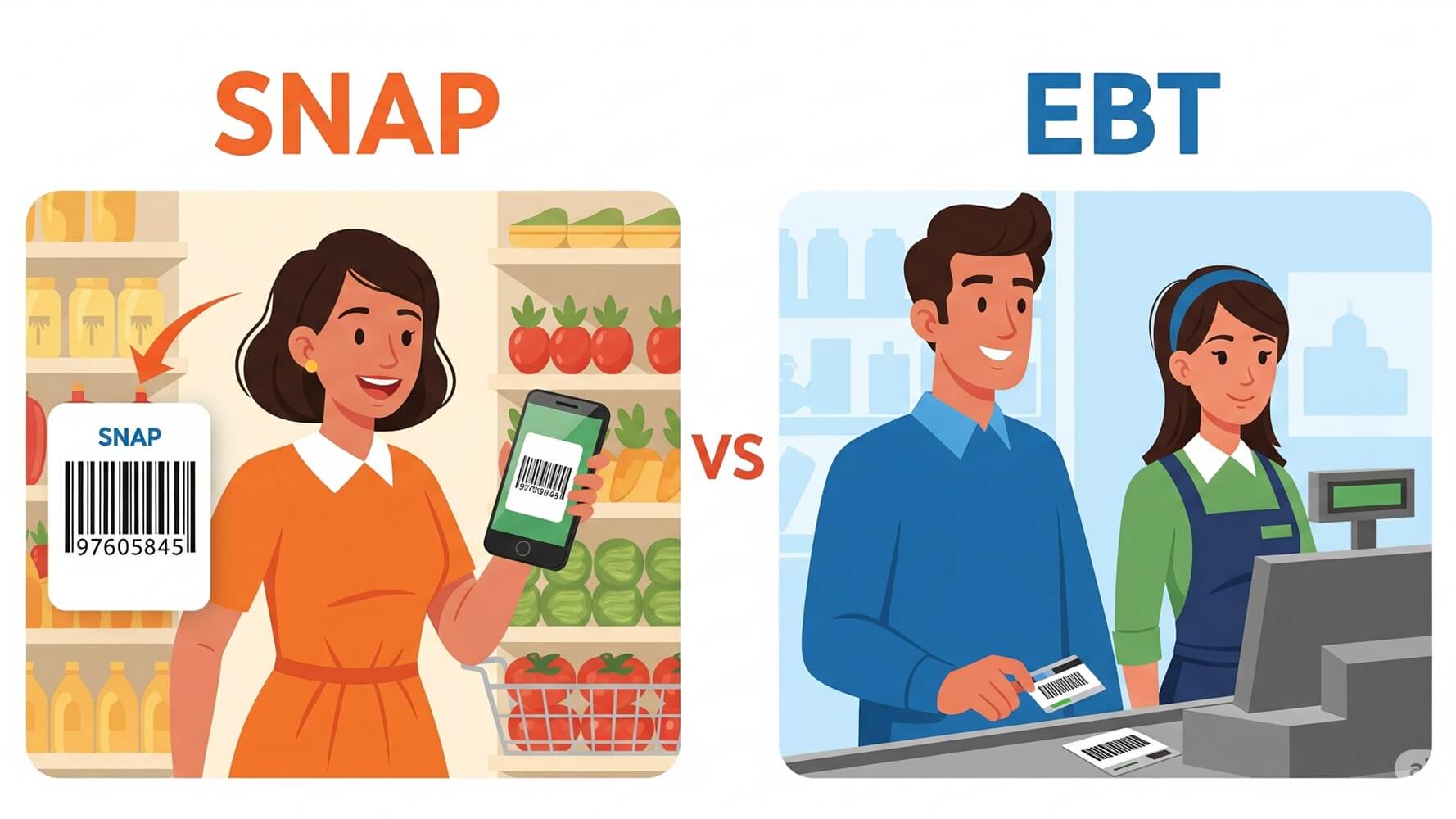
The U.S. Department of Agriculture (USDA), which runs SNAP, has a plan to get food stamps out, even if the government shuts down. The USDA usually looks at how much money it has left and estimates how long it can last. If the shutdown goes on for a while, SNAP benefits are impacted. The exact impact is going to depend on how long the shutdown lasts and the specific rules the USDA puts in place.
Here’s what can happen to SNAP benefits during a shutdown, in general:
- Benefits might be delayed.
- Benefits might be issued early.
- Benefits might be reduced.
This is all to try and make sure the program can continue. However, a shutdown makes it hard to ensure everything goes as planned.
The USDA has a playbook to help them deal with any government shutdown. This playbook is designed to ensure food stamps are sent out to people who need them. In the past, the USDA has done different things to ensure people receive food assistance.
Long-Term Consequences: Program Operations
Program Operations
Beyond immediate funding, a government shutdown can mess with how SNAP itself works. Since the government is closed down, the people who work in the program might be furloughed, which means they are temporarily out of work. This means there could be fewer people available to process applications, answer questions, and help people who need SNAP. It might also affect things like training and outreach programs.
For example, there are lots of things that SNAP employees do, all of which might get put on hold.
- Processing new applications: People who need food assistance could have to wait longer to get approved.
- Recertification: People already getting benefits have to get their eligibility checked regularly, and this could be delayed.
- Customer service: There might be fewer people answering phones or responding to emails.
- Fraud investigations: Investigations into potential misuse of the program might slow down.
All of these activities can be impacted during a shutdown.
A government shutdown could affect the accuracy of SNAP. Since there will be fewer people to handle things, people’s eligibility could be incorrectly determined. Errors can be made as employees try to perform more activities, and the time it takes to resolve issues could be longer than usual.
Shutdowns can have consequences, particularly for program operations. In the long run, shutdowns can make it harder for people to get the food assistance they need and can also create a backlog in the system.
Impact on States: Funding and Flexibility
Funding and Flexibility
SNAP is a partnership between the federal government and state governments. The federal government provides most of the money, and states handle the day-to-day operations. A government shutdown can create problems for the states in several ways.
One challenge for states is financial uncertainty. If the federal government is shut down, the states might not know when they’ll get their funding. The USDA can probably continue sending money to the states for a while, but the longer the shutdown continues, the more likely it is that there could be funding problems. This can make it harder for states to plan and budget for their SNAP programs.
Another challenge is the state’s ability to operate the program:
- States might have to use their own money to keep SNAP running.
- States could have to reduce staffing levels.
- States might have difficulty reaching vulnerable communities.
During a shutdown, states might also have less flexibility. The USDA might have to limit the states’ ability to make changes to their SNAP programs or to start new initiatives. This can hurt the state’s ability to meet the needs of their citizens.
Economic Effects: Food Retailers and the Broader Economy
Food Retailers and the Broader Economy
The government shutdown can have ripple effects throughout the economy. Food stamps help people buy food, so changes to the program can affect grocery stores, farmers, and others in the food industry.
Grocery stores rely on people spending money, and SNAP helps provide the money. If SNAP benefits are delayed or reduced, people might spend less money at grocery stores. This could cause grocery stores to make less money.
Farmers and food suppliers could also be affected. If grocery stores sell less food, they might buy less food from farmers and suppliers. Here’s a basic breakdown:
| Effect | Details |
|---|---|
| Reduced spending | If people have less SNAP money, they spend less. |
| Lower Profits | Grocery stores may sell less food. |
| Changes to Supply Chain | Suppliers have to deal with drops in demand. |
Beyond the food industry, a government shutdown can hurt the economy by creating uncertainty. This can cause people to spend less money, which can cause the economy to slow down. It’s not a good thing.
Impact on Recipients: Uncertainty and Stress
Uncertainty and Stress
For people who rely on SNAP, the uncertainty of a government shutdown can be really tough. The shutdowns create lots of worries, like whether benefits will arrive on time, if they will have enough food to eat, and how to manage their household budgets.
People who use SNAP can experience a lot of stress when they don’t know if their benefits will be affected. Having to worry about food can have a big effect on mental health. This is especially true for those who are already struggling financially. They might also have trouble accessing other resources that help them, such as social services.
- Worries about feeding their families.
- Dealing with budget uncertainties.
- Difficulty accessing support services.
These are just some of the struggles people face.
During a government shutdown, many people who depend on SNAP have to make hard choices. They may have to choose between buying food and paying for other necessities. They might be forced to use food banks and charities.
Political Implications: Policy Discussions and Negotiations
Policy Discussions and Negotiations
Government shutdowns are often caused by political disagreements between the different parties in Congress. Because SNAP is a very important program, it often becomes part of these discussions. The political debates that happen during a shutdown can impact SNAP, both in the short term and the long term.
During a shutdown, the political parties might try to use SNAP as a bargaining chip. They may want to make changes to the program in order to get their way. This could lead to several different things.
- Changes to eligibility requirements: The government might try to change who is able to get food stamps.
- Changes to the amount of benefits: The government might try to change how much money people get.
- New program rules: There may be new things the government tries to add to SNAP.
The goal is usually to reach a deal that will end the government shutdown.
Once the shutdown is over, there could still be long-term consequences for SNAP. Depending on the outcome of the political negotiations, the program could be changed. This could include things like changes to the funding levels, new rules, or adjustments to the services that are available. The government can change the program to get their way.
Because SNAP is very important to the lives of so many people, the political debates can create a lot of uncertainty for recipients.
Conclusion
In short, a government shutdown can cause a lot of trouble for SNAP. It can create immediate problems with funding and distributing benefits. It can also make things harder for states to run the program. The effects can also spread throughout the economy, and can cause lots of stress for the people who depend on food stamps. While the government usually does everything it can to make sure SNAP recipients are taken care of, government shutdowns really create hard challenges for everyone involved.