The Supplemental Nutrition Assistance Program, or SNAP, is a big deal in the United States. It’s more commonly known as “food stamps.” SNAP helps people with low incomes buy food. But have you ever wondered just how much money the government spends on this program each year? That’s what we’re going to explore! We’ll dive into the costs and different factors that affect them, so you can understand the scale of this important program.
The Annual Price Tag
So, how much does the United States spend on food stamps each year? The amount fluctuates, but the U.S. government spends tens of billions of dollars annually on SNAP. This makes it one of the largest federal assistance programs in the country. This money is used to help millions of people, from kids to seniors, get the food they need to stay healthy.
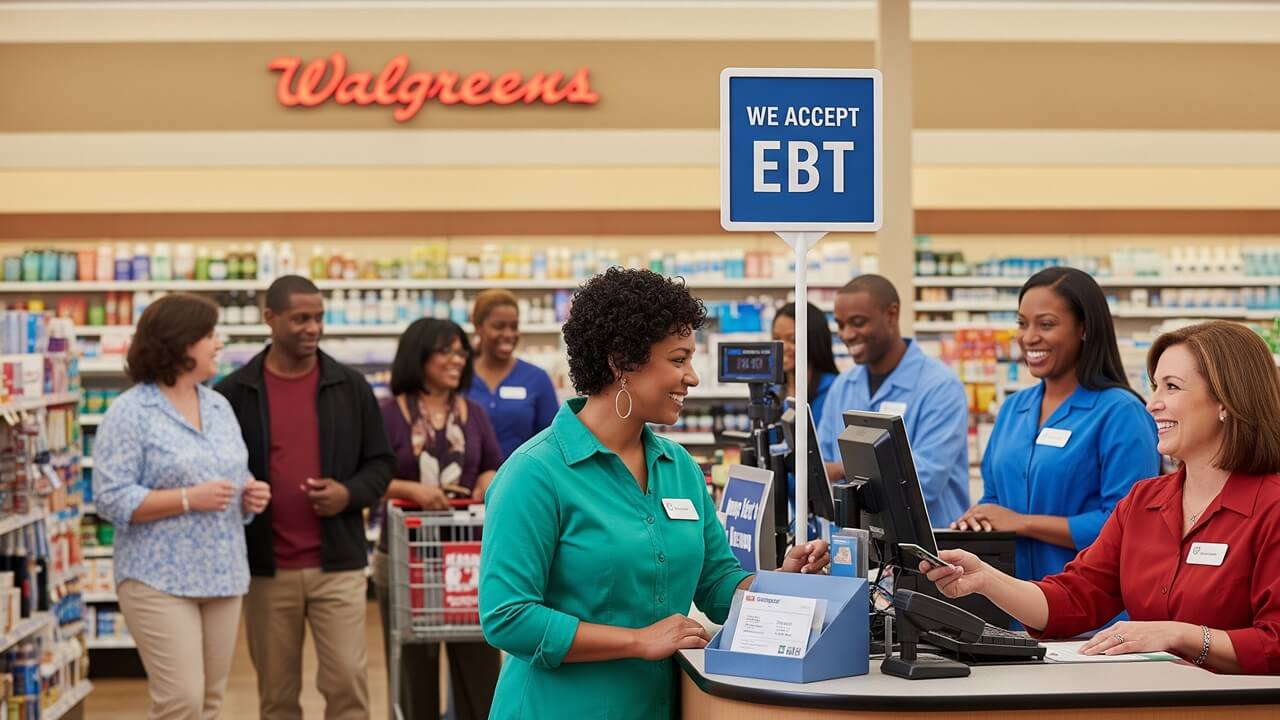
Factors Influencing SNAP Spending: Economic Conditions
One of the biggest things that impacts SNAP spending is the economy. When the economy is doing poorly, more people lose their jobs and struggle to make ends meet. This means more people qualify for SNAP benefits. Recessions, periods of economic downturn, can lead to a big increase in the number of people using food stamps. On the flip side, when the economy is strong, fewer people need help, and the overall cost of the program goes down.
During times of economic hardship, demand for SNAP increases. This happens because:
- Unemployment rises, leading to lost income.
- Businesses may cut hours or wages.
- Savings may get depleted.
These factors together create a greater need for government assistance like SNAP, pushing the spending higher. This is why the amount spent on food stamps can vary so much from year to year.
Furthermore, when more people need assistance, the average benefit size may also increase. This is because families may require more help to afford food when faced with economic challenges. This combination of factors leads to higher overall costs.
Factors Influencing SNAP Spending: The Number of Participants
The number of people who are actually enrolled in the SNAP program has a huge impact on how much is spent. When more people are eligible and choose to use SNAP, the overall cost naturally goes up. This number can change because of several things, like changes in the rules or the economic situation.
Changes in eligibility requirements can have a significant effect. For instance:
- If the government decides to make it easier to qualify, more people will be able to join.
- If the rules become stricter, fewer people will be eligible.
- These changes can be made at the federal or state level.
This directly impacts the program’s budget. The size of the benefits, the average amount of money each person gets, also plays a role. If benefits go up, the overall cost increases. If benefits go down, the cost decreases. These adjustments are carefully considered based on the cost of food and the needs of the participants.
Finally, outreach efforts can also affect the number of participants. When the government works to inform people about SNAP and how to apply, more eligible people may sign up, increasing program spending.
Factors Influencing SNAP Spending: Benefit Levels and Inflation
Benefit levels, which is how much money people actually receive each month, have a direct impact on how much the government spends. These benefits are typically adjusted to keep up with the cost of food. When food prices go up, as they do with inflation, benefits may need to be increased to make sure people can still afford to eat. This means that even if the number of SNAP participants stays the same, the program’s overall cost can increase.
Let’s look at how benefit levels work:
| Factor | Impact |
|---|---|
| Increase in benefits | Raises program costs |
| Decrease in benefits | Lowers program costs |
Benefit levels are also influenced by policy changes. Congress can vote to raise or lower the amount of money each household receives. They might also decide to change the way benefits are calculated. These decisions have huge implications for the budget.
Inflation directly affects how much the government needs to spend. If the price of groceries goes up, the government needs to provide more money to each SNAP participant. Therefore, inflation forces an increase in the budget.
Factors Influencing SNAP Spending: Geographical Variations
The amount spent on SNAP can also vary depending on where you are in the country. Different states have different costs of living. So, the same amount of SNAP money will buy more groceries in some states than in others. This can lead to some states needing to spend more, on average, per participant than others. Another factor is the state’s participation rate – how many people who are eligible actually use SNAP. This is driven by factors like outreach and accessibility.
States can have different participation rates due to:
- Outreach efforts
- Ease of application
- Awareness of the program
Some states are more efficient at getting the word out about SNAP and helping people apply. This means more people may enroll in those states, affecting their spending. Also, states with higher costs of living will usually have higher SNAP benefits to help people afford food. The federal government provides most of the funding, but states often help with some of the administrative costs.
Finally, the demographics of a state, such as the percentage of seniors or families with children, will influence the need for SNAP and therefore the amount spent.
Factors Influencing SNAP Spending: Federal and State Regulations
SNAP is a federal program, but states play a significant role in running it. Federal regulations set the basic rules, like who is eligible and how benefits are calculated. However, states have flexibility in how they administer the program, which can affect the cost. They decide things like how to process applications, how to distribute benefits, and how to check if people are following the rules.
State policies can influence spending through:
- Eligibility rules
- Outreach programs
- Administrative efficiency
For example, states can choose to make it easier or harder to apply for SNAP. They can also implement programs to help people find jobs, which might reduce the need for SNAP over time. Efficient administration can save money by preventing fraud and errors. This way, the federal government needs to keep up with the expenses from state’s varying needs.
Federal funding for SNAP is a big deal. The federal government pays for most of the benefits, and the states handle the administrative costs. Any changes to federal funding or regulations can have a huge impact on spending.
Tracking and Transparency
The government keeps track of how much it spends on SNAP. This data is made public so that anyone can see it. The U.S. Department of Agriculture (USDA) is responsible for running SNAP. They publish reports and data showing how much is spent and the number of people who are helped. This transparency helps make sure people know where the money is going.
Information about SNAP spending is made available through:
- Annual reports
- Budget documents
- Statistical data
The USDA releases information about SNAP’s costs, including the total amount spent each year, the average benefit per household, and the number of people participating. Tracking this data is important for several reasons. First, it helps policymakers understand the program’s effectiveness and make informed decisions about funding. Second, it promotes accountability by showing how taxpayer money is being used. Third, it allows researchers and the public to analyze trends and evaluate the impact of SNAP on poverty and food security.
Transparency helps ensure that the program is run efficiently and that it’s meeting the needs of the people it’s designed to help. This information is accessible to the public, so people can stay informed and know how their money is being used.
Furthermore, government watchdogs, like the Government Accountability Office (GAO), regularly audit SNAP. The GAO checks to make sure the program is following the rules and spending money wisely. These audits help identify problems and make sure the program is operating effectively.
Finally, understanding these factors helps us appreciate the scale and complexity of this program, how it responds to changes in the economy and society, and what’s at stake for millions of Americans.
Conclusion
So, to sum it all up, the United States spends a lot on food stamps each year – tens of billions of dollars. This number isn’t fixed; it changes depending on the economy, how many people need help, and the cost of food. The government keeps track of this spending, and that information is available to everyone. Understanding how much is spent on SNAP and the factors that influence these costs is important for making sure the program continues to help people who need it.