Food stamps, officially known as the Supplemental Nutrition Assistance Program (SNAP), help people with low incomes buy food. It’s like a special debit card you can use at grocery stores. A lot of you probably know someone who uses them, and you might be wondering, “How much food stamps does one person get?” Well, it’s not a simple number! It depends on lots of things, and we’re going to explore those factors in this essay.
What Determines the Benefit Amount?
So, how much money does a person actually get on their SNAP card? The amount of food stamps someone gets is primarily determined by their income, expenses, and household size. It’s a calculation the government does to make sure people have enough to eat. These factors are carefully considered to determine the proper amount.
Income’s Impact
Your income is a huge factor. SNAP is for people who don’t make much money. If you have a job, the government looks at how much you earn each month. The less money you make, the more food stamps you’ll likely receive. There’s a limit to how much you can earn and still be eligible for SNAP. They figure out how much money you have coming in and then determine how much help you need.
The government considers your gross monthly income, which is your total earnings before any taxes or deductions. It’s important to be honest about your income so the right amount of assistance can be provided. Some income isn’t counted, though. Things like student loans or some types of financial aid might not be considered income when figuring out your SNAP benefits.
If you’re unemployed and receiving unemployment benefits, that counts as income too. The same goes for things like Social Security, pensions, or money from investments. All of this is considered when determining if you’re eligible for SNAP and how much you’ll receive.
Different states have different rules for income eligibility, so the exact income cut-off varies. You can find specific information on your state’s rules from the SNAP website.
Household Size Matters
Another important thing to consider when figuring out how much food stamps someone gets is how many people live in their home. It makes sense that a single person needs less food than a family of four. The government understands this and adjusts the benefits accordingly. Larger families typically receive more money on their SNAP cards.
A household is considered everyone who lives together and shares food and living expenses. It could be a single individual, a couple, or a family with children. The more people there are, the more food is needed to go around.
This is how SNAP benefits are adjusted, generally speaking:
- One-person household: receives the lowest amount
- Two-person household: receives a bit more
- Three-person household: receives even more
- And so on…
It’s important to report any changes in your household size, like a new baby or a roommate moving in. This could affect how much food stamps you receive.
Allowable Deductions
The government doesn’t just look at your income. It also takes certain expenses into account. These are called deductions. These deductions can lower your countable income, which can result in a higher SNAP benefit amount.
Some common deductions include:
- Medical expenses: If you have high medical bills, you can deduct a portion of them.
- Childcare costs: If you pay for childcare so you can work or look for work, you can deduct that.
- Dependent care expenses: Expenses such as the care of a disabled adult.
- Shelter costs: Rent or mortgage payments.
These deductions help to better reflect how much money you actually have to spend on food after paying for other essential needs. The more deductions you can claim, the more likely you are to receive a higher SNAP benefit.
It’s a good idea to keep records of your expenses so you can document your deductions when applying for SNAP or reporting changes. States will often ask for proof of these expenses, so keeping documents handy will help ensure you receive the correct benefit amount.
State-Specific Rules and Variations
While the federal government sets the basic rules for SNAP, each state has some flexibility in how it runs the program. This means that the amount of food stamps one person gets can vary a little bit depending on where they live. Some states might have higher income limits or offer different levels of assistance.
One of the main differences you’ll find is in the application process. Each state has its own way of applying for SNAP, and the forms and procedures may be different. Some states may also have programs that provide additional food assistance or other benefits. This can result in state-to-state differences in the benefit amount.
Here’s a quick look at a simplified example of how it might look:
| State | Maximum Monthly Benefit (Single Person) |
|---|---|
| State A | $291 |
| State B | $281 |
| State C | $300 |
To get the most accurate information, it’s always best to check with your state’s SNAP office or website. They can tell you the exact rules and benefit amounts in your area.
The Application Process
To get food stamps, you have to apply. It’s not something that just happens automatically. You usually have to fill out an application form, either online or on paper. You’ll need to provide information about your income, your household size, and any expenses you want to claim as deductions.
You’ll also likely need to provide some documents to prove your information. This could include pay stubs, bank statements, proof of rent or mortgage payments, and identification. The application process can take some time, so it’s important to be patient and provide all the necessary information.
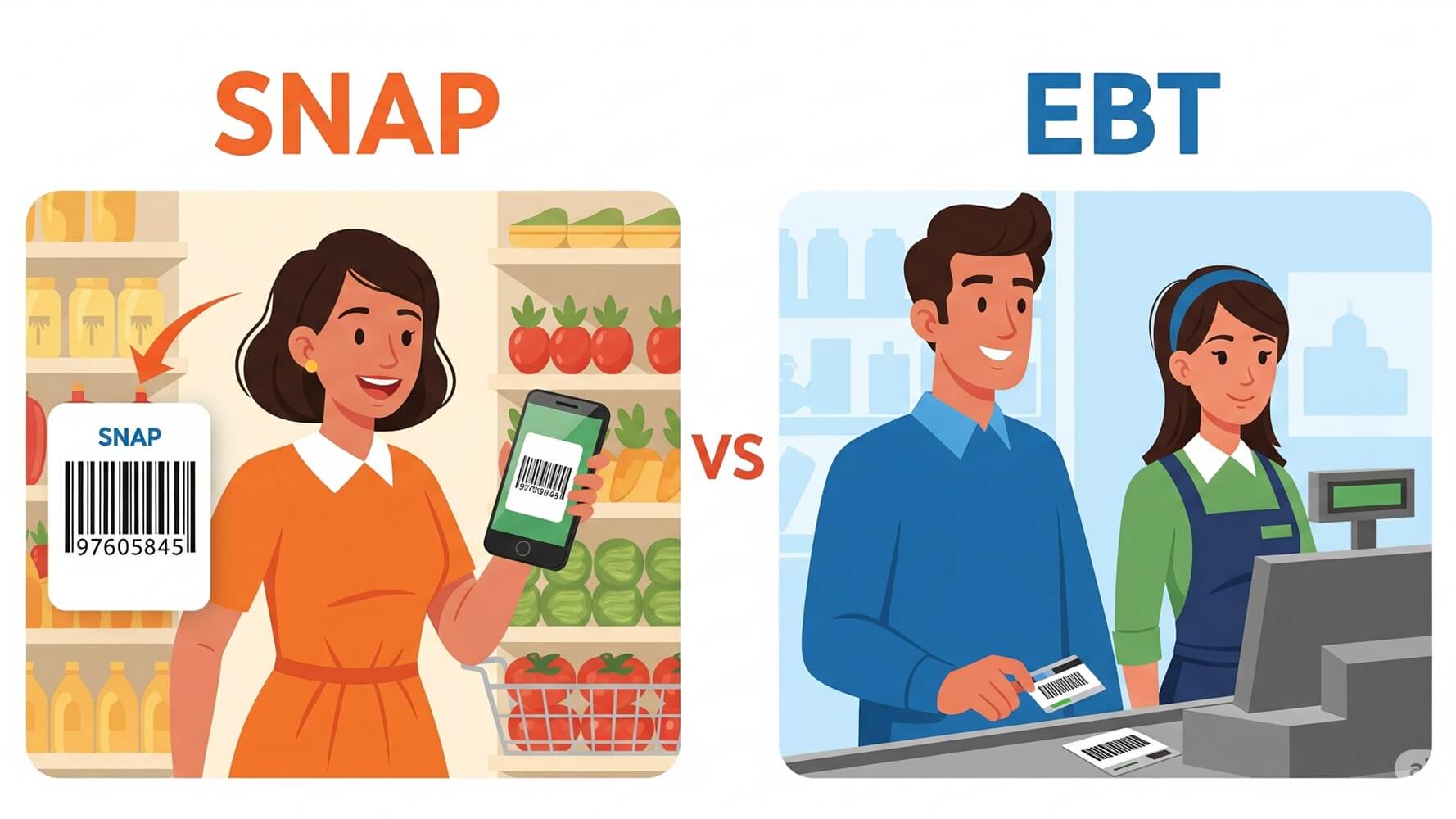
After you apply, the government will review your application and determine your eligibility. If you are approved, you’ll receive a SNAP card, also known as an EBT card. It works like a debit card, and you can use it to buy food at participating grocery stores. The card will have a certain amount of money loaded onto it each month.
The application processes vary from state to state, but generally, they follow these steps:
- Gather required documents, such as proof of income, identity, and residency.
- Fill out and submit the application form.
- Attend any required interviews with a SNAP caseworker.
- Wait for a decision, which typically takes a few weeks.
Changes and Reporting Requirements
Things in life change, and so might your eligibility for SNAP. If your income goes up, or if your household size changes, you need to let the government know. You’re required to report any changes that affect your eligibility or benefit amount. This is really important to ensure you’re getting the correct amount of help.
There are typically two types of changes to report:
- Changes in income: If your income changes (either up or down), you must report it.
- Changes in household: The addition or deletion of a member of the household.
You might need to provide updated documents to verify the changes. Failure to report changes can lead to penalties, so it’s important to stay on top of it.
Make sure to check with your local SNAP office about how to report changes and what information you need to provide. Different states have different requirements, but it’s usually a simple process.
Reporting changes in a timely manner is important. Changes can affect your benefit amount and, in some cases, affect your eligibility. To get started, look up your state’s SNAP website and locate contact information.
Conclusion
In short, there isn’t one set amount of food stamps one person gets. It’s a personalized number based on income, household size, and other factors. It’s like a puzzle where all the pieces fit together to determine the right amount of assistance. Remember, this program is designed to help people who need it, and the rules are in place to make sure the help is fair and accurate.