Are you or your family struggling to afford groceries in Arizona? Food Stamps, also known as the Supplemental Nutrition Assistance Program (SNAP), can help! This program provides money each month to buy food. Applying for Food Stamps might seem a little tricky, but it’s totally doable. This essay will walk you through how to apply for Food Stamps in Arizona, step-by-step. We’ll cover everything from figuring out if you’re eligible to what to expect after you apply.
Eligibility Requirements: Am I Qualified for Food Stamps?
Before you start the application process, you need to find out if you’re eligible. Arizona has specific rules about who can receive Food Stamps. These rules are based on things like your income, household size, and resources (like savings or property). The good news is that Arizona’s Department of Economic Security (DES) has a tool to help you check. This tool can give you a pretty good idea of whether you qualify before you even start filling out forms.
One of the most important factors is your household’s gross monthly income. That’s how much money you make before taxes and other deductions. The income limits depend on the size of your household. If your household has three people, and you earn more than a set amount per month, you might not qualify. However, even if your income is a little higher, you might still be eligible! It all depends on your specific circumstances. Income limits change from time to time, so it’s always a good idea to check the latest information on the DES website.
Another important factor is the resources you have available. Resources include things like money in the bank, stocks, and bonds. Arizona puts a limit on how much you can have in resources and still qualify for SNAP. If you have too many resources, you might not be eligible. Certain resources, like your home and one vehicle, are usually not counted. This is just to help folks in need.
To help you understand the income guidelines, here’s a simple table. Remember, this is just an example, and the actual amounts can change. Always check the official DES website for the most current information.
| Household Size | Approximate Gross Monthly Income Limit (Example) |
|---|---|
| 1 Person | $1,500 |
| 2 People | $2,000 |
| 3 People | $2,500 |
Gathering Necessary Documents: What Do I Need?
Once you think you might qualify, it’s time to start gathering the documents you’ll need to apply. This can feel like a lot, but it’s worth it to get everything in order. The DES needs to verify your information, so having these documents ready will speed up the process. Don’t worry if you don’t have everything right away; the application allows you to submit some things later. The most important thing is to start collecting what you can.
You’ll need to provide proof of identity. This usually means a driver’s license, state ID, or passport. Make sure it’s current! Next, you’ll need proof of your household’s income. This includes things like pay stubs from your job. If you’re self-employed, you might need to provide tax returns or other records of your earnings. Also, gather documentation for any other income sources, such as unemployment benefits, Social Security, or child support. Any documentation that will help prove where your money comes from is important.
You’ll also need to provide information about your living situation, such as your address and how much you pay for housing. If you rent, you might need a copy of your lease agreement. If you own your home, you might need a property tax bill. Also, if you have any expenses related to childcare or medical costs, make sure you have documentation for those, too. These can sometimes be deducted from your income, which could help with your eligibility.
Here’s a list of some common documents you might need:
- Proof of Identity (Driver’s License, State ID, Passport)
- Proof of Income (Pay Stubs, Tax Returns)
- Proof of Address (Lease Agreement, Utility Bill)
- Social Security Numbers for everyone in your household
Don’t feel overwhelmed; if you don’t have one of the items, just be prepared to explain why.
How to Apply: The Application Process
There are a few different ways to apply for Food Stamps in Arizona. The easiest way might be online, but you can also apply in person or even by mail. The online application is available through the DES website. It guides you through the process step by step. This is often the quickest way to get your application submitted.
You can also apply in person at your local DES office. You can find the address of the nearest office on the DES website. When you go in person, you can get help from a caseworker who can answer your questions and assist you with filling out the application. To apply by mail, you’ll need to download an application form from the DES website, print it out, fill it in, and mail it to the address provided on the form. This process can take longer, as it depends on how fast the mail is.
The application form asks for detailed information about your household, income, expenses, and resources. Be prepared to answer these questions honestly and accurately. Take your time and read each question carefully. If you’re not sure about something, it’s better to ask for help than to guess. You can also ask for help from a friend or family member. Remember to sign and date the application before submitting it.
After you submit your application, you’ll likely need to participate in an interview. This can be done over the phone or in person. The caseworker will review your application and ask you some questions to clarify the information you provided. They might also ask for additional documents. The interview is a crucial part of the application process, so make sure you’re available and prepared to answer their questions. Also, it is very important to keep the DES informed of any changes, such as your address, income, or household members.
- Complete the online application or download the form.
- Gather all the required documentation.
- Submit your application by the chosen method.
- Participate in the interview.
The Interview: What to Expect
After you submit your application, you’ll be scheduled for an interview with a caseworker. This is a phone call or in-person meeting. It’s a chance for the caseworker to ask you more questions about your application and verify the information you provided. Don’t be nervous! The caseworker is there to help you, not to judge you.
The caseworker will likely ask you about your income, expenses, and living situation. They may also ask about the other members of your household. Be prepared to answer these questions honestly and accurately. They might ask you to provide additional documentation, such as pay stubs or proof of address. Make sure you have these documents available during the interview.
During the interview, you can also ask questions about the program or the application process. The caseworker can explain the program requirements and benefits. They can also provide information about other resources that might be available to you, such as job training programs or other assistance programs. The interview is a great chance for you to understand more about the program, so don’t be afraid to ask questions.
Before your interview, it’s a good idea to review your application and any documents you submitted. Make sure you understand the information you provided and that you can answer any questions the caseworker might have. It’s important to be prepared, as it will make the interview go smoothly and help ensure you receive all the benefits you are eligible for. You can also bring a friend or family member with you to the interview for support. Here are some questions you might be asked:
- What is your current employment?
- What is your monthly rent or mortgage payment?
- Do you have any other income sources?
- How many people live in your household?
After You Apply: What Happens Next?
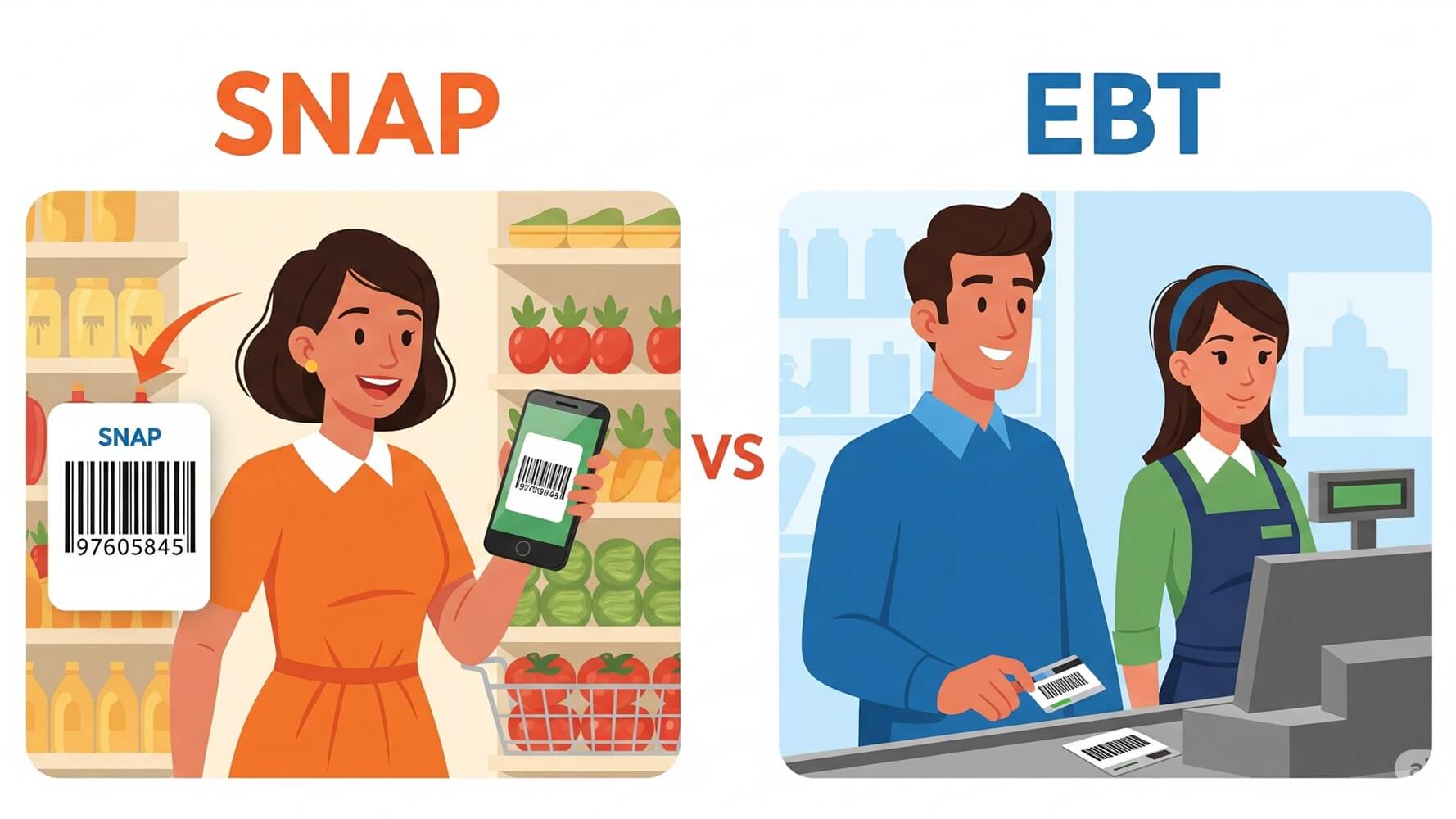
After your interview, the DES will review your application and make a decision about your eligibility for Food Stamps. They will let you know their decision in writing, usually within 30 days of your application. If you are approved, you will receive an Electronic Benefit Transfer (EBT) card, which works like a debit card.
The amount of Food Stamps you receive each month will depend on your income, household size, and certain expenses. The DES will calculate your benefit amount based on these factors. You can use your EBT card to purchase eligible food items at most grocery stores and some farmers’ markets. You won’t be able to buy things like alcohol, tobacco, or pet food with it. The EBT card is reloaded with your monthly food assistance benefits.
It’s important to keep track of your EBT card balance. You can check your balance online, over the phone, or at some ATMs. Also, make sure to keep the DES informed of any changes in your situation, such as changes in your income, address, or household size. If you don’t, it could affect your eligibility or benefit amount.
If your application is denied, the DES will send you a letter explaining why. You have the right to appeal the decision if you disagree with it. The letter will explain the appeal process.
- Receive a letter of approval or denial.
- If approved, receive an EBT card.
- Use the EBT card to buy eligible food items.
- Report any changes in your situation to the DES.
Renewal and Recertification: Keeping Your Benefits
Food Stamps benefits are not permanent. You’ll need to renew your benefits periodically. The DES will notify you when it’s time to renew. They’ll send you a form to fill out and return. This is called the recertification process. Think of it as a way for the DES to make sure you’re still eligible for the program.
The recertification process is very similar to the initial application process. You’ll need to provide updated information about your income, household size, and expenses. You might also need to provide documentation to support this information. This is to show that you still meet the eligibility requirements. The DES wants to make sure that only people who need the help are receiving the food stamps.
It’s important to renew your benefits on time. If you don’t, your benefits could be stopped. Make sure to read all the information you receive from the DES carefully and follow the instructions. If you have any questions or need help with the renewal process, you can contact the DES directly or visit their website. You might receive notices in the mail, so be sure to open them and act on them promptly.
Here is a list of things to consider when renewing:
| Action | Why |
|---|---|
| Respond to DES notices promptly. | Ensure continued benefits. |
| Provide accurate and updated information. | Maintain eligibility. |
| Submit all required documentation. | Verify your information. |
| Follow all instructions carefully. | Avoid delays or denials. |
Conclusion
Applying for Food Stamps in Arizona might seem like a lot of work, but it’s a worthwhile process. By following these steps, you can increase your chances of a successful application. Remember to gather the necessary documents, fill out the application accurately, and be prepared for the interview. Food Stamps can provide important assistance to families struggling with food insecurity. If you need help with food, don’t be afraid to apply! Good luck, and remember that resources are available to help you and your family. I hope this essay has been helpful!