Applying for food stamps, also known as SNAP (Supplemental Nutrition Assistance Program), can be a big step in getting help with groceries. Once you’ve filled out the application, you probably want to know what’s happening with it! Luckily, there are a few ways to check your application status and see if you’ve been approved. This essay will walk you through the main methods, so you can stay informed about your application.
Checking Online
One of the easiest ways to check your application status is online. Many states have websites or online portals where you can log in and view your application details. This is super convenient because you can do it anytime, anywhere, as long as you have internet access.
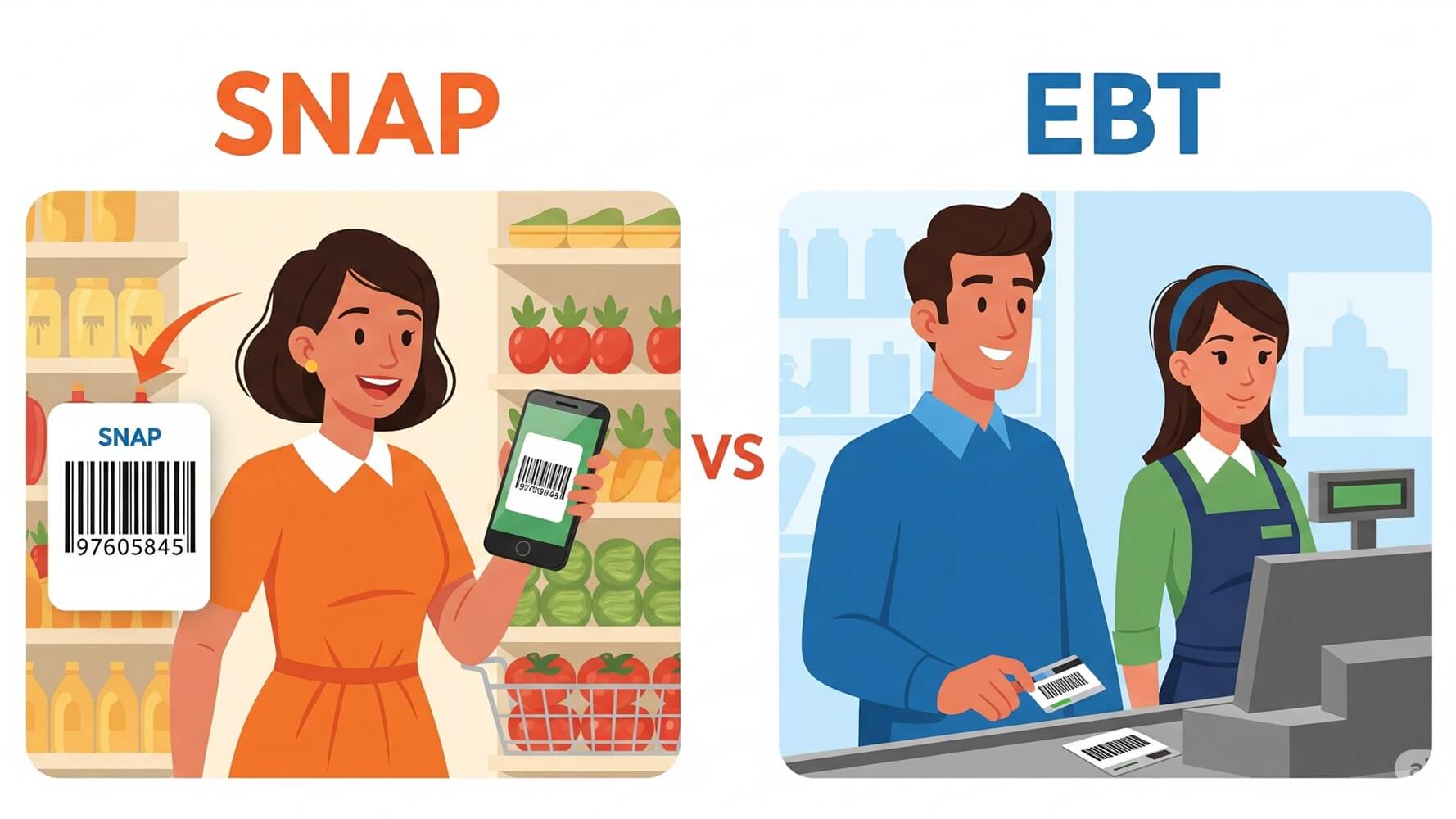
To get started, you’ll need to find the specific website for your state’s SNAP program. You can usually find this by searching online for “[Your State] SNAP application status.” Once you’re on the correct website, look for a section that says something like “Check My Application Status” or “Applicant Portal.” You may need to create an account if you don’t have one already, providing some basic information like your name, address, and application ID.
After you log in, the website should provide you with information about your application. This might include the date you submitted it, any documents you still need to provide, and, most importantly, the current status. The status might say “pending,” “approved,” “denied,” or something similar. Be sure to check the website frequently, as the status can change as your application is processed.
Here’s a quick list of what you might find on an online portal:
- Your application submission date
- A list of any required documents that are missing
- The current status of your application
- Contact information for the SNAP office
Contacting the SNAP Office by Phone
Another easy way to learn your food stamp application status is to call the SNAP office directly. Each state has its own phone number for SNAP inquiries, and you can usually find this number on your state’s Department of Human Services website or in any paperwork you received when you applied. When you call, have your application information ready, like your name, address, and application ID, to help the representative quickly find your record.
Once you connect with a representative, explain that you want to check your application status. They will likely ask you some questions to verify your identity and access your application information. Be prepared to answer honestly and clearly. It’s also a good idea to write down the name of the person you speak with, just in case you need to follow up later.
The phone call is a great option for asking questions about your application or understanding why it’s taking a while to process. The representatives are there to assist you and can offer helpful details that you won’t get through the website. Make sure to jot down any instructions or next steps provided by the representative, so you won’t forget.
Here is what a phone call usually consists of:
- Call the number for your state’s SNAP office.
- Have your application ID ready.
- Speak with a representative.
- Ask about your application status.
- Note any further instructions you may get.
Checking by Mail
Some states might also send updates about your application status via mail. While this isn’t the quickest method, it’s still an option. Check your mail regularly for any letters or notices from the SNAP office. These letters will likely contain important information regarding your application’s progress.
When you get a letter, read it carefully. The letter will explain the status of your application and any next steps you need to take. It could request more information, tell you you’ve been approved, or explain that your application has been denied. Make sure not to throw away any mail from the SNAP office; you’ll want to keep those records for future reference.
If you’re not sure what a letter means, you can always contact the SNAP office for clarification. Keeping your contact information updated is important; the SNAP office can use your mailing address to stay in touch with you. The SNAP office also must send you any denial letters by mail.
Common mail you might receive:
| Type of Mail | What it Contains |
|---|---|
| Initial Application Confirmation | Confirmation that your application was received |
| Request for Additional Information | Details on documents the SNAP office requires |
| Approval Notice | Important details on how much your benefits will be, etc. |
Understanding Application Status Terms
When you check your application status, you’ll encounter specific terms that describe the process. These terms can sometimes be a little confusing, so knowing what they mean can help you understand where your application stands.
Here are some common application status terms: “Pending” means your application is being reviewed. “Approved” means you’ve been accepted for SNAP benefits. “Denied” means you haven’t been approved, and the SNAP office will have a reason for denying your application. “Information Requested” means the SNAP office needs something from you, such as additional documents.
Understanding these terms will give you a better understanding of where you are in the application process. Be patient; it can sometimes take several weeks for an application to be fully processed. Remember that if your application is denied, the SNAP office will tell you why. You often have the right to appeal the decision if you believe it’s incorrect.
Here are some common status types you might find:
- **Pending:** Your application is under review.
- **Information Requested:** Additional documentation is needed from you.
- **Approved:** You’re eligible for SNAP benefits.
- **Denied:** Your application was not approved.
Dealing with Delays
Sometimes, checking your application status may reveal that your application is taking longer than expected to process. This can happen for a few reasons, such as the need for additional documentation, a high volume of applications being processed, or staffing issues. Try to be patient, but there are still steps you can take.
If your application is delayed, contact the SNAP office to ask about the reason for the delay. They may be able to give you an estimated timeline or explain what’s causing the hold-up. Make sure to keep all the contact info you’ve received and any reference numbers. Also, ensure that the contact information you’ve provided is current and up-to-date.
You also have the right to follow up on your application. If you don’t hear back from the SNAP office after a reasonable time, try calling them again or sending a follow-up email. Keep detailed records of your communications, including dates, names, and what was discussed. This can be helpful if you need to escalate your case later.
Here are a few tips for dealing with delays:
- Document everything. Keep dates, times, and the names of everyone you talk to.
- Ensure that your contact information is up-to-date.
- Follow up with the SNAP office to inquire about the delay.
What To Do If You’re Denied
If you check your application status and find out your application has been denied, it can be disappointing. But don’t give up! The SNAP office should provide you with a written explanation of why your application was denied. Review the denial letter carefully to understand the reason.
The denial may be based on factors such as income exceeding the limit, not meeting residency requirements, or failing to provide necessary documentation. Once you understand the reason, you might be able to fix the issue. Sometimes, you can submit the missing documentation or clarify information. In some cases, a change in circumstances, such as a drop in income, may make you eligible later on.
You also usually have the right to appeal the denial. The denial letter will provide information on how to file an appeal. The appeal process will give you the chance to present your case and argue why you should be eligible for SNAP benefits. Take this step seriously and gather any supporting documentation to strengthen your case.
Here are some steps to take if you are denied:
- Review the denial letter for the reason.
- Determine if the reason is something you can fix.
- Gather any documentation to support your appeal.
- File an appeal within the stated timeframe.
How to Expedite Your Application
Under certain circumstances, such as a financial emergency or extremely low income, you might qualify for “expedited service.” This means the SNAP office will try to process your application more quickly. If you believe you qualify for expedited service, it’s important to let the SNAP office know when you apply.
When you apply, be sure to explain your circumstances, so the SNAP office understands your need. Providing proof of your financial situation, such as pay stubs or bank statements, can help support your request for expedited service. You’ll have to go through a separate process, even if you have already been approved for standard service.
Keep in mind that expedited service doesn’t mean instant approval. The SNAP office will still need to verify your eligibility, but they’ll prioritize your application. The processing time for expedited service is generally shorter than standard processing. If you’re approved for expedited service, you may receive benefits sooner than you would otherwise.
If you think you are eligible for expedited service, here’s what to consider:
- A financial emergency.
- Very low income.
- Ask the SNAP office for an expedited application.
The primary way to check your Food Stamp (SNAP) application status is to use the online portal provided by your state, if available.
In conclusion, checking your Food Stamp application status is an important part of the process. By understanding the different ways to check and what the various status terms mean, you can stay informed and take appropriate action. Remember to check the official website for your state’s SNAP program for the most accurate and up-to-date information. Good luck!