Many people have questions about government programs that help families and individuals who need it. Two important programs that often get mixed up are AFDC and Food Stamps. While they were once linked, they are not the same thing anymore. This essay will explain the relationship between these two programs, and how they work today.
What Exactly Were AFDC and Food Stamps Together?
Let’s get right to the point! **AFDC (Aid to Families with Dependent Children) used to be a program that provided cash assistance to low-income families, and it often came with access to other benefits, including Food Stamps.** Before 1996, when the program was changed, many families who received AFDC also automatically qualified for Food Stamps, which helped them buy groceries. Food Stamps provided a monthly amount of money to buy food. This meant that families in need received both cash to pay for rent, utilities, and other expenses, and help to make sure they could eat.
The End of AFDC and the Rise of TANF
In 1996, things changed. The government replaced AFDC with a new program called TANF, which stands for Temporary Assistance for Needy Families. TANF is designed to provide temporary financial assistance to families, but it works differently than AFDC did.
Here’s a quick breakdown of the differences between the old AFDC program and the current TANF program:
- AFDC: Focused on providing ongoing cash assistance with no time limits.
- TANF: Provides cash assistance, but it has time limits (usually 60 months) and focuses on helping families become self-sufficient.
The goals of TANF are to help families find jobs, become independent, and move off public assistance. With this change, the connection between the cash assistance and food assistance changed as well. Now, TANF has separate eligibility rules and requirements.
How TANF Recipients Get Food Assistance Today
While TANF is not the same as AFDC, the families served by TANF may still need help with food. The food assistance program, also called SNAP (Supplemental Nutrition Assistance Program), is separate from TANF but is still used to help low-income people.
Here’s how SNAP and TANF might intersect today:
- A family might receive TANF cash assistance.
- Because of their low income, they may then apply for SNAP.
- If they qualify for SNAP, they will get a special card (like a debit card) to buy food.
The amount of food assistance they get depends on their income and family size.
What is SNAP?
SNAP, which is often still referred to as Food Stamps, is the main program that helps low-income people buy food. It provides benefits to eligible families and individuals. The main idea is to make sure people can afford to eat healthy meals.
Some important things to know about SNAP:
- It’s run by the federal government, but each state runs its own program.
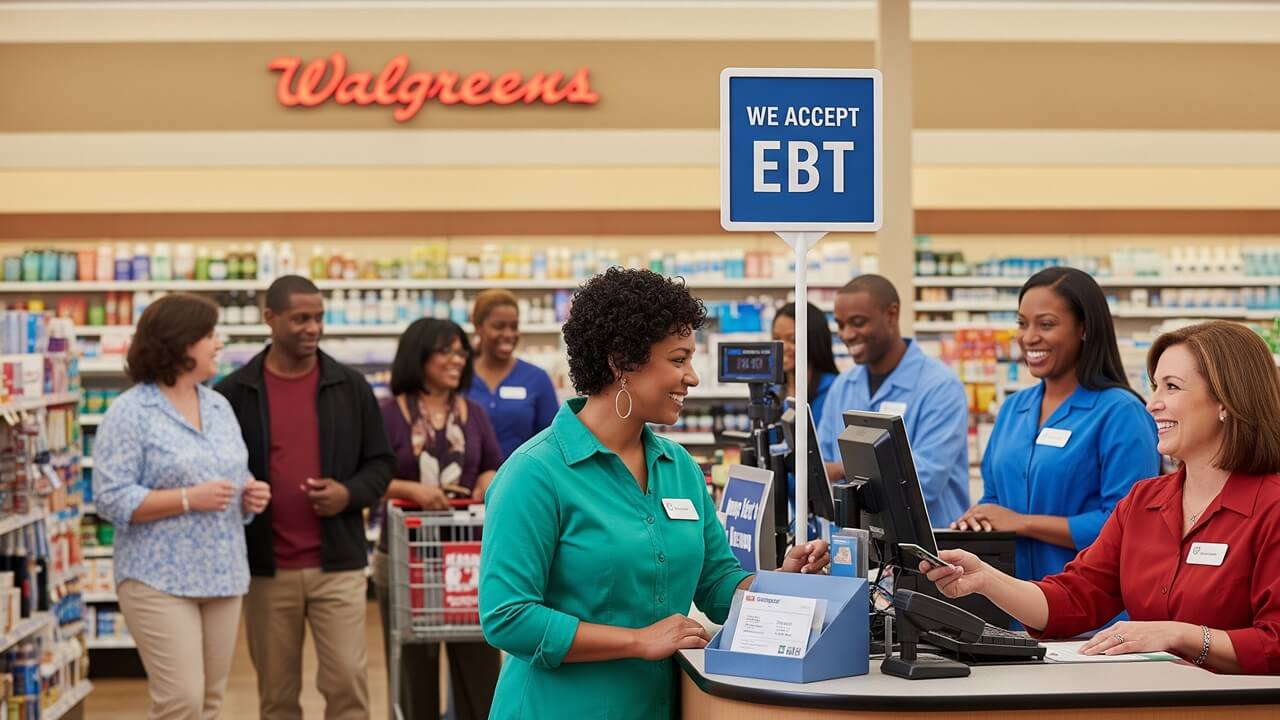
- Benefits are loaded onto an EBT (Electronic Benefit Transfer) card.
- SNAP recipients can buy groceries at most grocery stores and some farmers’ markets.
SNAP is available to many different types of people, not just those on TANF. You could be a low-income worker, an elderly person on a fixed income, or a disabled individual. The goal is to reduce hunger and improve nutrition across the country.
Who Qualifies for SNAP?
To get SNAP, you need to meet certain requirements. These requirements are mostly about your income and the number of people in your household. Each state sets specific income limits based on the federal guidelines. These rules help the government make sure that the benefits go to those who need them most.
Here is a simplified table that demonstrates some general guidelines (keep in mind that real rules vary by state):
| Household Size | Approximate Monthly Income Limit |
|---|---|
| 1 | $2,000 |
| 2 | $2,700 |
| 3 | $3,400 |
These are just examples, and the actual numbers will change. Many people, including the working poor, are eligible for SNAP, even if they are employed.
Applying for SNAP
Applying for SNAP is usually a pretty straightforward process. It involves filling out an application and providing some information about your income, resources, and household members. You can usually apply online, in person, or by mail, depending on your state.
Here are the general steps:
- Find your state’s SNAP application.
- Fill out the application completely and honestly.
- Provide documents to prove your income and other information (like pay stubs or bank statements).
- Submit your application to the correct agency.
The agency will review your application and let you know if you qualify. If approved, you’ll receive your EBT card and start getting benefits.
SNAP’s Impact
SNAP makes a big difference in the lives of millions of people every year. It helps families put food on the table, and helps them stay healthy.
SNAP has many important benefits:
- Reduces hunger and food insecurity.
- Improves nutrition for both children and adults.
- Boosts local economies.
- Helps people to meet their basic needs.
SNAP plays a huge role in the fight against poverty in the United States.
Conclusion
So, Is AFDC Food Stamps? No, not directly anymore. AFDC was replaced by TANF. While the programs are separate now, TANF recipients might still qualify for SNAP. SNAP, or Food Stamps, is a very important program that helps many people get the food they need to stay healthy. Understanding how these programs work is important because it helps you understand how the government is trying to help people and families when they need it.