Sober living houses are supposed to be safe places for people recovering from addiction to live while they rebuild their lives. They offer a supportive environment, helping residents stay sober and learn essential life skills. However, there’s a dark side to some of these facilities. This essay will explore the problems associated with sober living houses that charge residents their General Relief (GR) income and seize their Food Stamps Electronic Benefit Transfer (EBT) cards. We’ll look at how these practices are wrong and what can be done about them.
The Question of Legality: Are These Practices Permissible?
No, taking a resident’s entire GR income and Food Stamps EBT card is usually illegal and unethical. It’s a violation of resident rights and often considered exploitation. GR income is intended to provide basic necessities like housing and food. Taking all of it leaves residents with nothing. EBT cards are meant to ensure access to food, and seizing them deprives people of the means to eat. These practices are also often a violation of the rules governing sober living facilities, which are usually expected to provide support and a safe environment, not to financially drain residents.
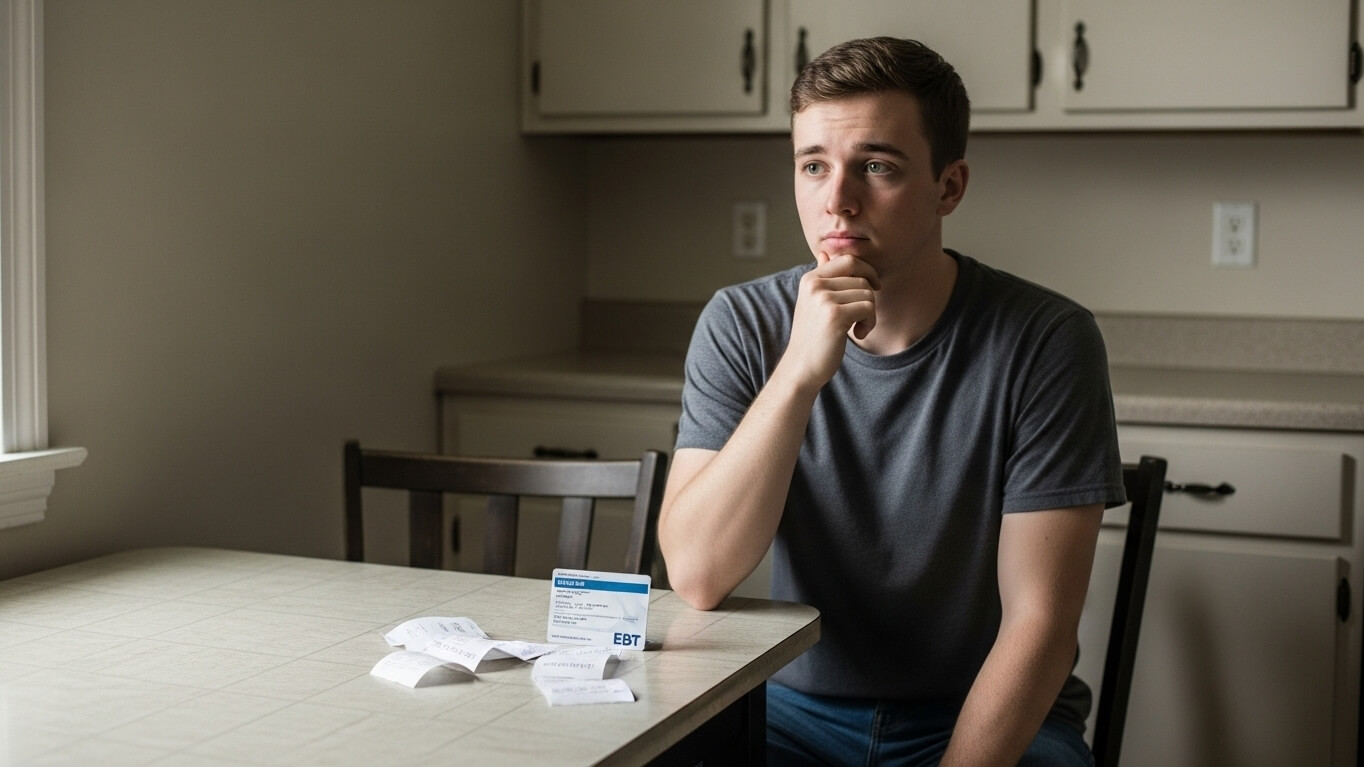
Exploitation and the Cycle of Poverty
Exploitation happens when someone takes unfair advantage of another person for their own gain. In this context, sober living houses are exploiting vulnerable individuals struggling with addiction. By taking all their income, these houses often profit from the residents’ desperation. This financial exploitation can be incredibly damaging, creating a cycle of poverty that makes recovery even harder.
- Residents can’t afford essential items, like toiletries or transportation to doctor’s appointments.
- The lack of financial stability can cause stress and anxiety, increasing the risk of relapse.
- It makes it harder for people to find work and get back on their feet.
This financial burden makes it nearly impossible for individuals to focus on their recovery and contributes to a sense of hopelessness. Instead of helping people rebuild their lives, these facilities are making it harder. They are essentially profiting off of the vulnerability of their residents, which is wrong.
The goal of a sober living house should be to support people to build a stable life. When the facility removes someone’s access to income, they’re sabotaging the individual’s recovery.
Lack of Oversight and Accountability
One major problem is the lack of proper oversight and accountability for sober living houses. In many areas, these facilities aren’t heavily regulated, which can lead to a lack of accountability. This absence of regulations makes it easier for bad actors to operate and exploit residents without fear of repercussions.
This lack of oversight manifests in several ways:
- Insufficient inspections to ensure the quality of care.
- Limited enforcement of resident rights.
- Few consequences for facilities that engage in illegal or unethical practices.
Without adequate inspections, the facilities can operate without repercussions. Many facilities are simply allowed to operate without any review. This lack of oversight allows exploitative practices to continue unchecked, harming vulnerable individuals and making it difficult to improve the quality of care.
The problem is that when they don’t have to answer to anyone, they can make their own rules.
The Impact on Recovery
The financial strain imposed by these practices has a devastating impact on a resident’s ability to recover. Taking away their resources can undermine their ability to maintain a sober lifestyle and to pursue the support services they need.
Consider these factors:
- Difficulty in attending therapy, counseling, or support groups.
- The inability to afford medication or medical care.
- Increased stress, which is a significant trigger for relapse.
Instead of providing a safe haven, these facilities create additional stressors. This is the opposite of what a sober living house should be. It should provide a stable environment for building a new life.
These practices not only hinder individual recovery but also damage the overall effectiveness of the recovery process.
The Importance of Informed Consent
Informed consent is crucial in any situation, especially when dealing with vulnerable individuals. Before a resident signs up for a sober living house, they should be fully informed about all the costs and rules. They need to understand how much they will be charged, what services are provided, and what their rights are.
However, many facilities use deceptive practices to take advantage of residents. This may involve hiding fees, misleading residents about the terms of their stay, or pressuring them into signing agreements they don’t fully understand. Here is a list:
| Aspect | What it Means |
|---|---|
| Full disclosure | The facility must explain all fees and requirements clearly. |
| Right to ask questions | Residents should be encouraged to ask questions and have them answered honestly. |
| Avoidance of pressure | Residents must not be pressured into signing anything. |
Without informed consent, residents can be easily taken advantage of. It’s important that residents fully understand their rights and obligations before committing to a facility.
Finding Alternatives and Seeking Help
If you or someone you know is in a sober living house that’s taking advantage of your income or EBT card, there are alternatives. The first step is to know your rights and seek help.
Here are some resources that can help:
- Legal Aid organizations: They can provide free or low-cost legal assistance.
- Local advocacy groups: They may offer resources or support.
- Social workers: They can connect you with services like housing assistance and job training.
Consider looking for a different sober living house that operates ethically and provides genuine support. Do your research. Look for houses that offer support services, such as therapy and counseling, without exploiting their residents. By taking these steps, you can protect yourself and find a safe and supportive environment to begin your recovery.
Conclusion
Sober living houses have the potential to be life-changing for individuals struggling with addiction, but some facilities exploit their residents. Charging residents their GR income and taking their EBT cards is a harmful practice that prevents people from rebuilding their lives. Increased oversight, regulation, and enforcement of resident rights are essential to combatting these practices. People struggling with addiction deserve compassionate support and opportunities, not exploitation. By educating ourselves and advocating for change, we can help create safer and more ethical sober living environments where recovery is truly possible.