Medicaid and SNAP (Supplemental Nutrition Assistance Program) are two really important programs in the United States. They help people who need a little extra support to get by. Medicaid provides health insurance, and SNAP helps people buy food. A lot of different people use these programs, and it’s helpful to understand who they are and why they need this assistance. This essay will explore the different types of people who rely on Medicaid and SNAP and the circumstances that lead them to need these programs.
Low-Income Families and Individuals
One of the biggest groups who rely on Medicaid and SNAP are families and individuals with low incomes. These are people who may not earn enough money to cover all their basic needs, like housing, food, healthcare, and utilities. This group includes people working in jobs that don’t pay a lot, or those who might be unemployed. Often, they’re struggling to make ends meet, and these programs are a safety net to help them survive.
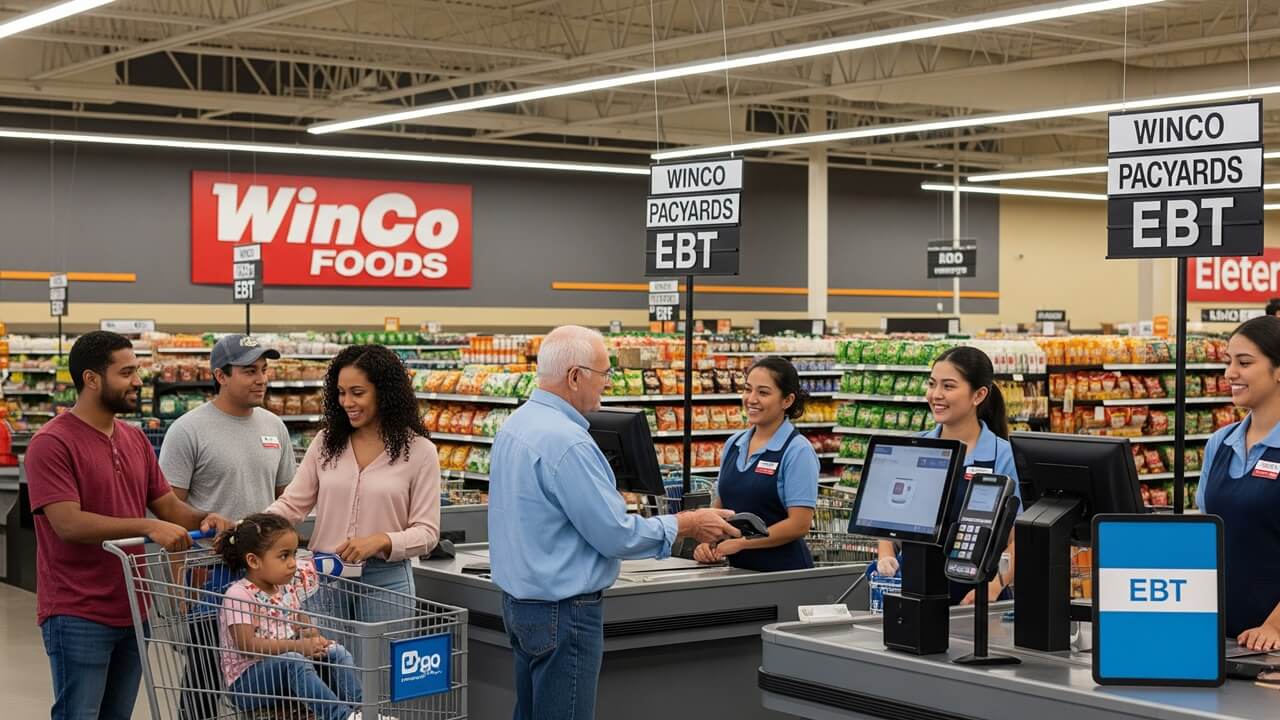
Many low-income individuals work full-time but still don’t make enough money to cover their basic needs. Imagine someone working at a fast-food restaurant or a retail store. Their wages might be low, and they may not have access to employer-sponsored health insurance. Medicaid helps them get the healthcare they need, and SNAP helps them put food on the table for themselves and their families.
The qualifications for Medicaid and SNAP vary depending on the state, but they typically consider income, household size, and other factors. The goal is to ensure that those most in need get the help they require. Who exactly qualifies for these programs depends on their income compared to a certain limit. These limits are often adjusted to account for inflation and the cost of living.
There are many challenges low-income families face. Here are a few:
- Limited access to healthy food options.
- Difficulty affording transportation to jobs and appointments.
- Stress related to financial instability.
Children and Families with Children
Children make up a significant portion of those who benefit from Medicaid and SNAP. Many families with children rely on these programs to ensure their kids have access to healthcare and enough food. Children’s health is very important, and Medicaid provides them with check-ups, vaccinations, and treatment when they’re sick. SNAP helps parents provide nutritious meals for their kids.
Single-parent households and families with multiple children are especially likely to need help. Raising children is expensive, and single parents often face financial challenges. They may have to juggle multiple jobs, and the cost of childcare can be very high. SNAP can assist families in providing basic nutritional needs for the children. Medicaid makes sure the children have necessary medical attention.
These programs help to give children a better start in life. Access to healthcare from Medicaid helps children grow up healthy and reduces the risk of long-term health problems. Having enough food from SNAP supports their physical and mental development, which aids in their ability to learn and succeed in school. This support gives these kids a fair chance to achieve their goals.
Here is a short list of things that Medicaid and SNAP can provide for children:
- Regular doctor visits
- Vaccinations
- Healthy food
- Dental care
People with Disabilities
People with disabilities frequently rely on Medicaid and SNAP for support. Disabilities can make it difficult or impossible to work, or to get the jobs they require to make enough money to survive. Medicaid helps cover the high costs of medical care, including doctor visits, medications, therapy, and hospital stays. SNAP helps to ensure they have enough to eat.
People with a variety of disabilities, both physical and mental, may need these programs. These disabilities can include conditions like cerebral palsy, autism, intellectual disabilities, mental illnesses, and chronic illnesses. The financial burdens of managing a disability can be immense. Without the support of Medicaid and SNAP, these individuals would struggle to receive the care and support they need.
These programs help to improve the quality of life for people with disabilities. Medicaid provides access to necessary healthcare, which helps them manage their conditions and stay as healthy as possible. SNAP ensures they can afford nutritious food, which is essential for overall health. Without these programs, many people with disabilities would face serious challenges.
Here’s a small table showing some examples of costs that Medicaid can help cover for people with disabilities:
| Medical Service | Possible Cost (Without Medicaid) |
|---|---|
| Doctor visits | $100 – $300+ |
| Medications | $50 – $500+ (per month) |
| Therapy | $75 – $200+ (per session) |
Seniors and the Elderly
Many seniors and elderly individuals also rely on Medicaid and SNAP. As people get older, they often experience more health problems and need more medical care. Medicaid helps cover the costs of these healthcare needs, including doctor visits, hospital stays, and long-term care. For some seniors, SNAP provides assistance for food costs. For the elderly, a fixed income can be difficult.
The elderly are more likely to face chronic health conditions, such as heart disease, diabetes, and arthritis. The cost of managing these conditions can be very high, including regular doctor visits, medications, and sometimes even long-term care in a nursing home. Medicaid helps to reduce this financial burden, ensuring seniors can access the healthcare they need.
Many seniors live on a fixed income, which is often Social Security and/or a small pension. This income might not be enough to cover all their expenses, especially with the rising costs of healthcare and food. SNAP helps them to make sure they can afford nutritious meals. Medicaid helps reduce the costs of medical care.
Here’s a list of some of the challenges that elderly people face:
- Fixed incomes
- Health issues
- Rising healthcare costs
- Loneliness
Unemployed Individuals
People who are unemployed often need help from Medicaid and SNAP. Losing a job can create sudden financial instability. Without a job, it can be hard to pay for health insurance or buy food. Medicaid can provide access to necessary healthcare during the period of unemployment, and SNAP can help ensure these individuals have enough to eat while they search for a new job.
Unemployment can also be a very stressful experience. Dealing with financial worries, job searching, and the uncertainty of the future can affect a person’s physical and mental health. Medicaid provides healthcare access during this difficult time, which can help with managing any health concerns. SNAP provides a small amount of food for survival.
It’s very important to note that unemployment can affect anyone, regardless of their background or work history. Economic downturns, company layoffs, and even individual circumstances can lead to job loss. Medicaid and SNAP are important safety nets to help individuals and families manage during times of unemployment.
The following are some of the expenses of unemployment:
- Rent or mortgage payments
- Food
- Healthcare
- Job-seeking expenses
People Experiencing Homelessness
People experiencing homelessness are among the most vulnerable and in need of support from Medicaid and SNAP. Without a home, it’s difficult to maintain good health. Access to healthcare is essential. Medicaid can provide them with the healthcare they need. SNAP helps provide food support.
Homelessness is often linked to other challenges, like mental health issues, substance abuse, and lack of access to jobs and support services. These individuals may require special medical care. Medicaid can help address these concerns. SNAP provides for the need to eat.
These programs help address immediate needs. For those who are homeless, a healthy diet is essential to well-being. Medical care is more critical when shelter is unstable. These programs, although limited, can have a big impact.
Here’s a table showing some of the difficulties that homeless people face:
| Challenge | Impact |
|---|---|
| Lack of shelter | Exposure to the elements, safety concerns |
| Lack of access to food | Malnutrition, health issues |
| Lack of access to healthcare | Untreated illnesses, worsening health |
Conclusion
Medicaid and SNAP serve as important safety nets for many people in the United States. They provide vital support for a diverse group of individuals, including low-income families, children, people with disabilities, seniors, the unemployed, and those experiencing homelessness. These programs help people meet their basic needs and ensure that they have access to healthcare. They can also improve the quality of life for a diverse group of people. Understanding the types of people who rely on these programs helps to show how important they are for a healthy and supportive society.