Ever wondered how people buy groceries using those EBT cards? It’s all thanks to a program called SNAP, which stands for Supplemental Nutrition Assistance Program. SNAP helps people with low incomes buy food. When you hear about “SNAP balance on EBT,” it means how much money you have left on your EBT card to spend on groceries. This essay will help you understand exactly what that means and how it works.
What Does SNAP Balance on EBT Actually Mean?
The SNAP balance on your EBT card is simply the amount of money that the government has provided to you each month to buy food. This money is loaded onto the card, and you can use it at authorized retailers, like grocery stores and some farmers’ markets, to purchase eligible food items.
Checking Your SNAP Balance
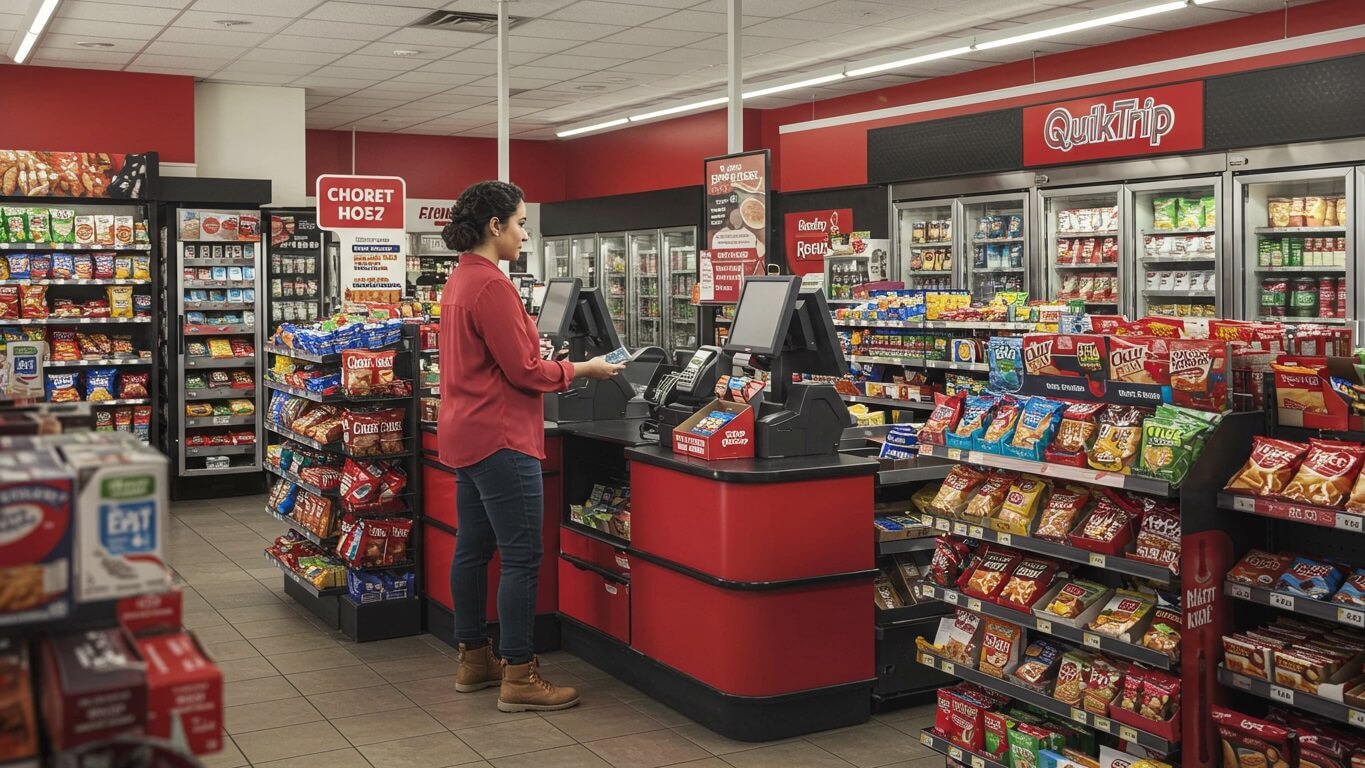
Knowing your balance is super important so you don’t accidentally try to buy more food than you have money for. There are several ways to check your SNAP balance:
- Online: Many states have websites or apps where you can log in with your EBT card information and check your balance.
- By Phone: You can call the customer service number on the back of your EBT card and follow the prompts.
- At the Store: When you make a purchase, the cashier can tell you your remaining balance. You can also ask the cashier to print a receipt, which shows your balance.
It’s a good habit to check your balance regularly to stay on top of things!
Here’s a quick overview of some of the ways to check your balance:
- Online Portal
- Phone Number
- In-Store Receipt
- Mobile App
What You Can Buy with SNAP
You can’t just buy anything with your EBT card. SNAP benefits are specifically for buying food. That means you can buy things like:
You are able to get a wide variety of food items, but here’s a simple list:
| Eligible Foods | Non-Eligible Foods |
|---|---|
| Fruits and Vegetables | Alcoholic beverages |
| Meat, Poultry, and Fish | Tobacco products |
| Dairy products | Pet food |
| Breads and Cereals | Household supplies |
| Seeds and plants to grow food | Vitamins and supplements |
You can also purchase seeds and plants if you want to grow your own food. You can’t use SNAP to buy things like alcohol, tobacco, or non-food items.
How Your SNAP Balance is Determined
The amount of SNAP benefits you receive each month depends on a few things. It’s not a one-size-fits-all kind of deal. The government looks at your:
Factors impacting your benefit amount:
- Household Size: More people in your household usually mean more benefits.
- Income: The lower your income, the more help you’re likely to get.
- Expenses: Certain expenses, like housing costs, can affect your benefits.
The goal is to help those who need it most afford enough food to stay healthy. The exact rules and amounts can change, so it’s a good idea to check with your local SNAP office for the most up-to-date information.
Here is a quick rundown of what could impact your SNAP balance:
- Household Size
- Monthly Income
- Deductible Expenses
How SNAP Benefits are Used
Using your EBT card is like using a debit card. At the checkout, the cashier will ask you if you want to pay with SNAP benefits or another form of payment. You’ll then swipe your card and enter your PIN (Personal Identification Number).
If you’re unsure about the steps, here’s a breakdown:
- Shop: Grab your groceries!
- Checkout: Head to the checkout and separate your items.
- Payment: Inform the cashier you’re using your EBT card.
- PIN: Enter your PIN on the card reader.
The card reader will deduct the cost of the eligible food items from your SNAP balance. That’s it! Keep your receipts to help you keep track of your spending and balance.
Make sure to keep a record of your purchases and receipts so you can track what you spend and stay on top of your balance.
What Happens to Unused SNAP Balance?
If you don’t use all of your SNAP benefits in a month, the remaining balance will usually roll over to the next month. However, this can depend on your state’s rules. Some states might have a limit on how long the funds can stay on your card before they expire, so it is important to be aware of these terms.
Here’s the general process:
- Balance Carries Over: Usually, the remaining balance goes to the next month.
- State Rules: Be aware of state-specific rules, which can vary.
- Expiration: In some states, benefits might expire after a set time if not used.
It’s always a good idea to check your state’s specific guidelines. This can usually be found online, or by contacting your local SNAP office.
Keep these things in mind:
- Remaining Balance
- State Rules
- Benefit Expiration
Keeping Track of Your SNAP Balance
It’s super important to keep track of your SNAP balance. That way, you know how much you have to spend each month and can plan your shopping accordingly. Make sure to keep all of your receipts, so you know what you’ve purchased and the amount spent.
Tips to keep track:
| Method | Description |
|---|---|
| Receipts | Keep all receipts to see how much you’ve spent and what’s left. |
| Online/App | Check your balance regularly through your state’s website or app. |
| Note-Taking | Write down your balance after each purchase. |
Many states have apps or websites where you can check your balance and see your transaction history. By doing this, you can avoid overspending and make sure you have enough food for the entire month.
Conclusion
So, now you know what SNAP balance on EBT is all about. It’s the money you have on your card to buy food, provided by the government to help those in need. Knowing how to check your balance, what you can buy, and how the benefits are determined will help you use your benefits wisely. Keeping track of your balance is key to making sure you always have enough food for yourself and your family. Remember to check with your local SNAP office for the most accurate and up-to-date information about the program in your area.