You might have heard the terms SNAP and EBT, maybe when talking about helping families get food. They sound kinda similar, right? Well, they are related, but not exactly the same. This essay will break down what SNAP and EBT are all about, and how they work together to help people in need. We’ll cover what they stand for, how they’re used, and some of the key differences between them. By the end, you’ll have a better understanding of how these programs help families put food on the table.
What Does SNAP Stand For?
So, the first thing we need to understand is what SNAP actually *is*. It’s an acronym. But what does it mean? SNAP stands for Supplemental Nutrition Assistance Program. It’s a government program designed to help low-income individuals and families buy food. The goal is to help people afford a healthy diet and improve their overall nutrition.
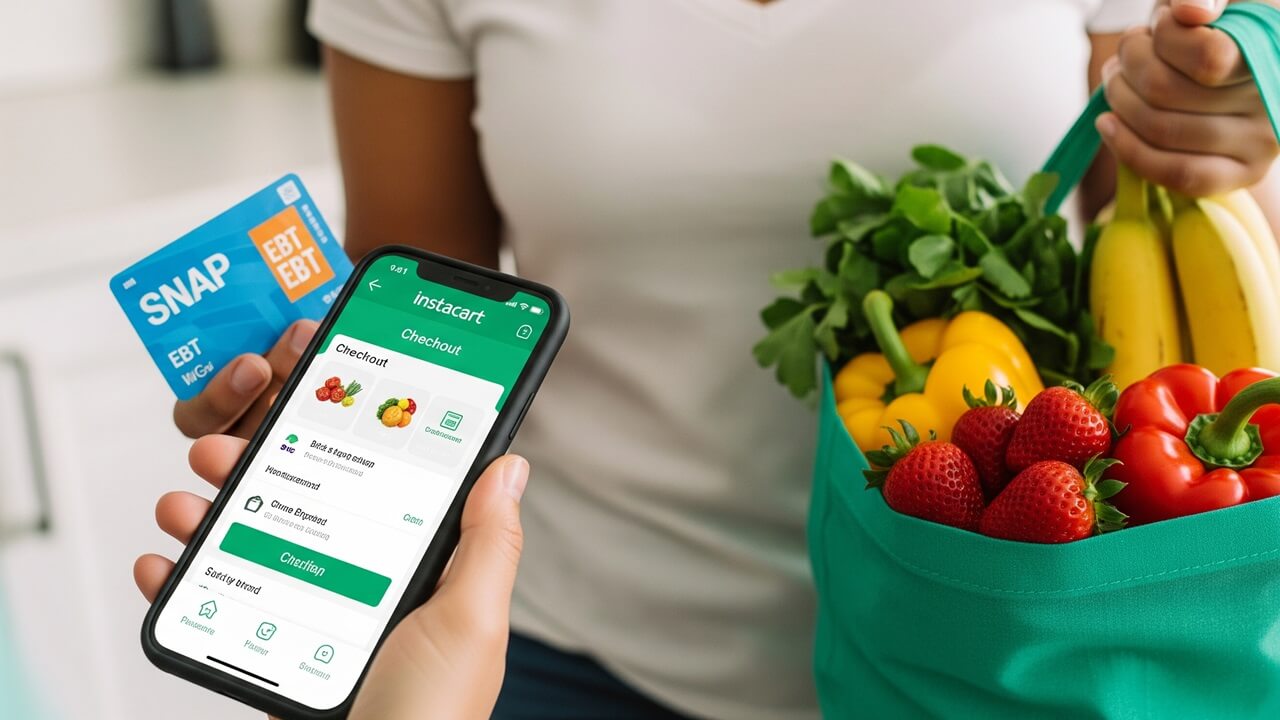
Think of it like a helping hand when times are tough. SNAP provides money to eligible people, and this money can only be used to purchase food items. It’s all about making sure people have access to the basic necessity of food, regardless of their financial situation. The program is managed at the federal level, meaning it’s a nationwide program, but the states help to run it and determine who is eligible. It’s a really important program!
The food that can be purchased includes things like fruits, vegetables, meat, poultry, fish, dairy products, and bread. But, it doesn’t cover everything. For example, you can’t buy alcohol, tobacco, pet food, or prepared foods. These restrictions help ensure the money goes directly towards healthy eating. SNAP focuses on providing the nutritional building blocks that families need.
To be eligible for SNAP, you usually have to meet certain income and resource requirements. These requirements vary depending on the state you live in. The amount of SNAP benefits you get also depends on factors like your household size and income. Each state’s department of social services will give out the official information.
How Does EBT Fit In?
EBT is another acronym, and this one is also super important when talking about SNAP. EBT stands for Electronic Benefit Transfer. It’s essentially the way SNAP benefits are delivered to recipients. Think of it like a debit card for food. The benefits are loaded onto the EBT card each month.
The EBT card works just like a regular debit card at most grocery stores and other authorized retailers. When someone makes a purchase, the card is swiped, and the cost of the eligible food items is deducted from their SNAP benefits. The card makes it easier and more convenient for people to access and use their food assistance.
Here’s a quick breakdown of how it works:
- An eligible individual or family applies for SNAP.
- If approved, they are issued an EBT card.
- Each month, SNAP benefits are loaded onto the card.
- They use the card to purchase eligible food items at authorized stores.
- The card is swiped, and the food is paid for from the SNAP funds.
This system helps ensure that SNAP benefits are used responsibly and efficiently. It’s a really secure way to distribute these benefits, and it helps to reduce the stigma associated with receiving assistance. It provides a dignified way for people to get the food they need.
Are SNAP and EBT the Same Thing?
Now, let’s clear up any confusion about whether SNAP and EBT are the same. They are connected, but they are not interchangeable. Think of it like this: SNAP is the program, and EBT is the tool used to access the program’s benefits. SNAP is the actual food assistance program that provides the money for food, while EBT is the electronic system used to deliver those benefits.
You can’t use SNAP directly; you use the EBT card. You can’t receive EBT benefits without SNAP. The EBT card is what lets you take advantage of the SNAP program. It’s like having a key that unlocks access to the benefits. The SNAP program provides the financial assistance, and EBT is the delivery method.
Here’s a simple comparison to help you understand:
| SNAP | EBT |
|---|---|
| The food assistance program. | The electronic system used to distribute benefits. |
| Provides the funds for food. | The card you use to access the funds. |
| Run by the federal government. | Operated by states. |
In short, SNAP is the benefit, and EBT is how you get it.
Who is Eligible for SNAP?
Eligibility for SNAP is not just about having low income; there are other requirements too. While income is the main factor, there are also asset limits and work requirements. State’s rules dictate the specifics, but there are general guidelines that the federal government has put in place. Generally, SNAP is available to individuals and families with limited income and resources.
Eligibility requirements can include these elements:
- Income limits: Your household’s gross monthly income must be below a certain amount.
- Resource limits: Your savings, investments, and other assets must be below a certain amount.
- Work requirements: Able-bodied adults without dependents may be required to work a certain number of hours per week.
- Citizenship/Immigration Status: In many states, you must be a U.S. citizen or meet certain immigration requirements.
The rules can be complex. The best way to know if you are eligible is to apply, as eligibility is determined on a case-by-case basis. Some states have online portals to help you determine if you’re eligible, so it’s worth looking into if you think you might qualify!
Where Can I Use My EBT Card?
The EBT card is very versatile, but there are some limits on where you can use it. The main rule is that it can only be used at stores authorized by the USDA. So, where can you use it? You can use your EBT card at most grocery stores, supermarkets, and farmers’ markets to buy eligible food items.
Here are some places where you can usually use your EBT card:
- Grocery stores (like Kroger, Safeway, Walmart, etc.)
- Supermarkets
- Farmers’ markets (look for signs indicating EBT acceptance)
- Some online grocery retailers (like Amazon)
You might also be able to use your EBT card at certain convenience stores and participating restaurants. The key is to look for the EBT logo or inquire with the store. You cannot use the EBT card for non-food items, such as alcohol, tobacco, or household supplies.
The USDA (United States Department of Agriculture) has a search tool on their website that will show the locations where you can use the EBT card. This can be super helpful to find stores near your house.
What Can I Buy With My EBT Card?
Okay, so you have the EBT card, but what can you actually buy? The answer is simple: things you can eat! SNAP is meant to help people afford a healthy diet, so it focuses on essential food items. You can purchase things like fruits, vegetables, meats, dairy products, and grains with your EBT card.
Here’s a list of some of the eligible items:
- Fruits and vegetables
- Meat, poultry, and fish
- Dairy products (milk, cheese, etc.)
- Breads and cereals
- Snack foods
- Seeds and plants to grow food
There are also some things you *can’t* buy with SNAP benefits. These items include alcohol, tobacco products, pet food, household supplies, and non-food items. You also can’t use your EBT card to buy hot foods or prepared foods from grocery stores (with some exceptions). The rules are in place to make sure your money is going towards a healthy diet.
If you’re unsure if an item is eligible, just ask the store clerk! They’re usually very familiar with the rules.
How Do I Apply for SNAP?
If you think you or your family might be eligible for SNAP, the next step is to apply. Applying is usually done through your state’s social services agency. The application process is usually pretty simple, and states are committed to making the process as easy as possible for applicants. The first step in applying for SNAP is to contact your local or state social services agency or visit their website.
The specific application process may vary slightly depending on the state you live in. You will likely need to provide information about your:
- Household size
- Income (from all sources)
- Resources (such as savings and assets)
- Expenses (such as rent, utilities, and childcare)
You may also be asked to provide proof of identity and residency. The application process can often be done online. Many states have websites and online portals to help you start the application. Remember, it’s always worth applying if you think you might qualify. Someone will review your application and determine your eligibility based on the state and federal guidelines.
Conclusion
So, there you have it! We’ve covered the basics of SNAP and EBT. Remember, SNAP is the program that provides food assistance, and EBT is the electronic system used to deliver those benefits. They work together to help people access food and maintain a healthy diet. The system is designed to be efficient and to provide a dignified way for people to get the food they need. Understanding the difference between these two terms can help you be a more informed citizen and understand how the government supports people in need. Hopefully, this essay has helped you understand what is SNAP versus EBT!