Food stamps, officially known as the Supplemental Nutrition Assistance Program (SNAP), are designed to help people with low incomes buy food. It’s pretty straightforward, right? You get money to buy groceries, and that helps you eat. But what exactly counts as “food”? This question leads us to the main topic: Can you use your food stamps to buy things like soda? This essay will dive into the rules surrounding SNAP benefits and what you can and can’t purchase with them, focusing particularly on the sugary question of soda.
The Straight Answer: Soda and SNAP
No, you generally cannot buy soda with food stamps. SNAP benefits are intended to provide nutritional support, and soda, while technically a beverage, is not considered a staple food item that promotes good health. The USDA, which runs the SNAP program, has specific guidelines on what is eligible. Soda falls into the category of “unallowable items.”
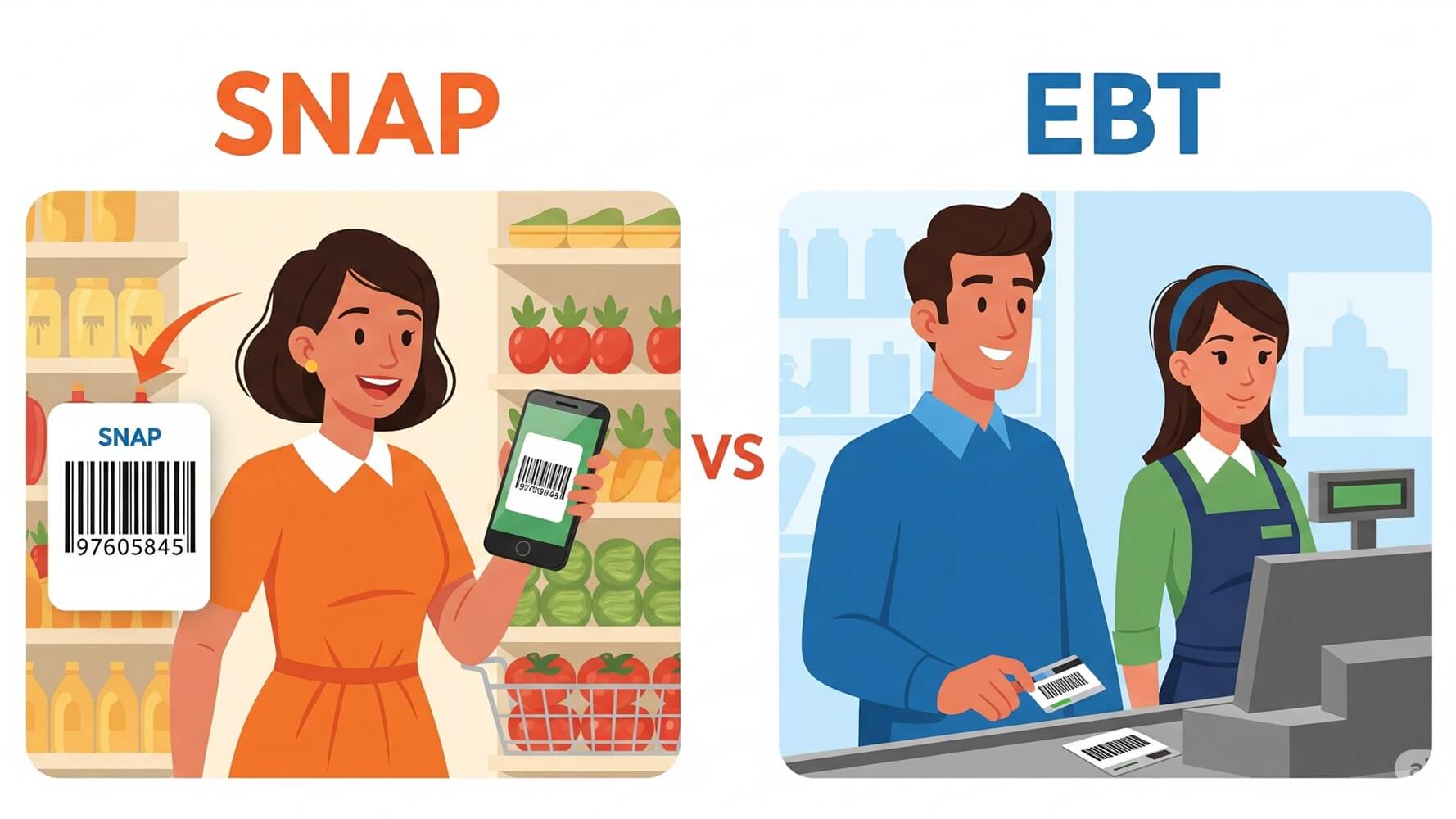
What Foods Are Typically Allowed?
So, if you can’t buy soda, what *can* you buy? Well, SNAP allows you to purchase a wide range of food items intended for home consumption. This includes things like fruits, vegetables, meat, poultry, fish, dairy products, and grains. These items contribute to a balanced and healthy diet. You’ll find these types of foods in the grocery store’s produce, meat, and dairy sections. The idea is to provide access to the essentials for a nutritious diet, helping families get the foods they need.
Here’s a quick rundown:
- Fruits and Vegetables (fresh, frozen, canned)
- Meat, Poultry, and Fish
- Dairy Products (milk, cheese, yogurt)
- Breads and Cereals
These are just some of the categories of foods that are allowed. You can generally tell if a product is allowed based on its primary use as a food ingredient. However, the rules have some nuances, and it’s essential to understand the details to avoid making mistakes while shopping.
Ultimately, the aim of the program is to promote good nutrition through access to a diverse set of foods.
What About Other Beverages?
Okay, so no soda, but what about other drinks? This is another area with specific rules. While plain water is always allowed (and free!), the rules regarding other beverages can vary. Some examples are juices and sports drinks, and the rules for them can be quite complex.
Generally, if a beverage is made primarily of ingredients that are considered “food,” then it is allowable. For example, 100% fruit juice is typically allowed, but it may not include sweetened juice drinks. Sports drinks with added sugars are generally treated similarly to soda. This area of SNAP eligibility can be confusing for some people, so it’s important to look closely at the labels and think about the ingredients.
- 100% Fruit Juice: Allowed
- Sweetened Juice Drinks: Often not allowed.
- Sports Drinks: Usually not allowed
- Plain Water: Always allowed.
Always check the ingredient list and if you are still unsure, you can always ask a store employee, though they may not always have a definitive answer, and the final say comes from the SNAP rules themselves.
The Definition of “Food” in SNAP
The term “food” under SNAP has a specific meaning. It generally includes any edible substance or product for humans, except for alcoholic beverages, tobacco, and items that are ready-to-eat and intended to be consumed immediately. The focus is on providing ingredients to be prepared and eaten at home. This means that while you can buy raw chicken, you usually can’t buy a rotisserie chicken, since it is ready to eat.
This definition explains why soda, which doesn’t provide many nutrients and is often consumed as a treat, is excluded. The program is about making sure people can afford the necessities, not everything they might want.
The SNAP program considers things like:
- Ingredients for cooking
- Fresh produce
- Dairy products
The goal of SNAP is to improve access to essential foods and reduce food insecurity, ensuring that low-income families have the means to eat properly.
Why the Restriction on Soda?
The restriction on soda and other non-essential items is about promoting health and making sure the program’s resources are used in the best way. SNAP aims to help people maintain a healthy diet. Limiting the purchase of sugary drinks supports this goal by encouraging healthier eating habits.
Soda doesn’t have much nutritional value; it mostly provides calories, sugar, and nothing else. By discouraging the purchase of soda, SNAP is essentially encouraging the purchase of healthier alternatives like water, milk, and fruit juices. It’s a measure designed to have a positive impact on the health of SNAP recipients.
The goal is about improving dietary choices. Here’s how:
| Item | Effect |
|---|---|
| Soda | Often high in calories, low in nutrition |
| Fruits/Vegetables | Provides essential nutrients |
| Milk | Good source of calcium and vitamins. |
SNAP aims to balance dietary needs and budget constraints to assist people in obtaining nutritious foods.
Store Policies and SNAP
Stores that accept SNAP benefits must follow the USDA’s rules. They can’t just let you buy whatever you want with your food stamps. They are required to have systems in place to prevent the purchase of ineligible items. This usually means their cash registers are programmed to identify what is and isn’t allowed.
It is also worth knowing that some stores may have store-specific policies. For example, a store might allow the use of SNAP for a specific health food item, but generally, the federal regulations are the main guide. Participating stores receive training on which items are eligible, to ensure that they are compliant with the regulations.
- Cash registers are programmed.
- Staff are trained.
- Rules are followed.
The goal is to ensure fair use and compliance with federal guidelines.
What Happens if You Try to Buy Soda with Food Stamps?
If you try to buy soda with your food stamps, the cashier at the register will probably let you know it’s not allowed. The system will likely prevent the purchase. The register may automatically reject the transaction, or the cashier might have to explain the rules.
There might be a need to choose other items, or you would have to pay for the soda with a different form of payment. Attempting to use your food stamps for ineligible items can, in some cases, lead to warnings or penalties, so it’s essential to be aware of the rules.
- Transaction will be denied.
- You will be asked to pay another way.
- You could face penalties.
The intent is to ensure compliance with SNAP guidelines and support the program’s intended purpose.
Conclusion
So, to answer the question “Can you buy soda with food stamps?” the answer is a pretty clear no. The SNAP program is focused on helping people purchase healthy, nutritious foods, and soda doesn’t fit into that category. Understanding these rules can help you make the most of your benefits and ensure you’re buying foods that contribute to a healthy lifestyle. It’s about eating well and making smart choices with the resources you have.